
Once you have set foot in western Sicily, I guarantee you will not want to leave. It might be the magnificent baroque churches in Palermo, a delicious wine tasting in Marsala or the cheeky escape to one of the Egadi islands. Trust me on this one! This 7-day western Sicily itinerary is designed for first-time visitors who want to experience the west of the island properly, without trying to cram all of Sicily into one trip.
If there is one part of Sicily (Italy) I know best, it is the western side of the island. My in-laws are from Palermo, which means many of our trips to Sicily have revolved around the city and the wonderfully chaotic, sun-drenched corner of the island around it. Ever the curious explorer, I try to squeeze in a few new sights whenever we visit the family.
This has resulted in about 4 terabytes of pictures and tons of local recommendations. This 7-day itinerary in western Sicily is for travellers who want a taste of this part of the island. Over the course of a week, you can combine Palermo, Monreale, Cefalù, Trapani, Erice, San Vito Lo Capo, Scopello, and Marsala, which gives you a lovely balance of cities, hill towns, beaches, and coastal drives.
One week is enough to get a very good feel for western Sicily, as long as you resist the temptation to add in the whole island. That is exactly why this route starts and ends in Palermo and stays firmly focused on the west.
Book Your West Sicily Trip in 5 Minutes
WHERE TO STAY
- Palermo: I Mori di Porta Nuova Suite & Terrace
- Cefalu: Garibaldi B&B
- San Vito Lo Capo: Baglio La Luna B&B
- Trapani: Re Sale Boutique Hotel
- Marsala: Donnafrance Wine Resort
- Favignana: Il Baglio sull’Acqua
BEST TOURS
- Car Rental: Check prices via DiscoverCar
- Ferry Tickets: Check schedule/ book via Ferryscanner
- Palermo Street Food: The Original Food Tour
- From Palermo: Erice and Segesta Day Trip from Palermo
- Marsala: Wine Tasting in Historic Cellar Marsala
Please note: This post contains affiliate links, meaning I may earn a commission if you make a purchase by clicking a link (at no extra cost to you). Learn more.


One Week in Western Sicily at a Glance
Who is this western Sicily itinerary for?
This route is ideal for first-time visitors who are flying into Palermo and want a mix of city life, beaches, historic towns, and a few genuinely beautiful drives. It works especially well if you like places with a bit of grit and personality, rather than only polished postcard stops.
7 day itinerary for western Sicily
Day 1: Arrive in Palermo
Day 2: Palermo and Monreale
Day 3: Cefalù
Day 4: San Vito Lo Capo and the Zingaro coast
Day 5: Erice & Trapani
Day 6: Marsala and the salt pans
Day 7: Day trip to Favignana, or return to Palermo
Is 7 days enough for western Sicily?
Yes, absolutely. A week is enough to see the western side of the island properly without spending all your time in the car. It is still not enough for everything, but it is more than enough for a first trip focused on Palermo and the northwest coast.
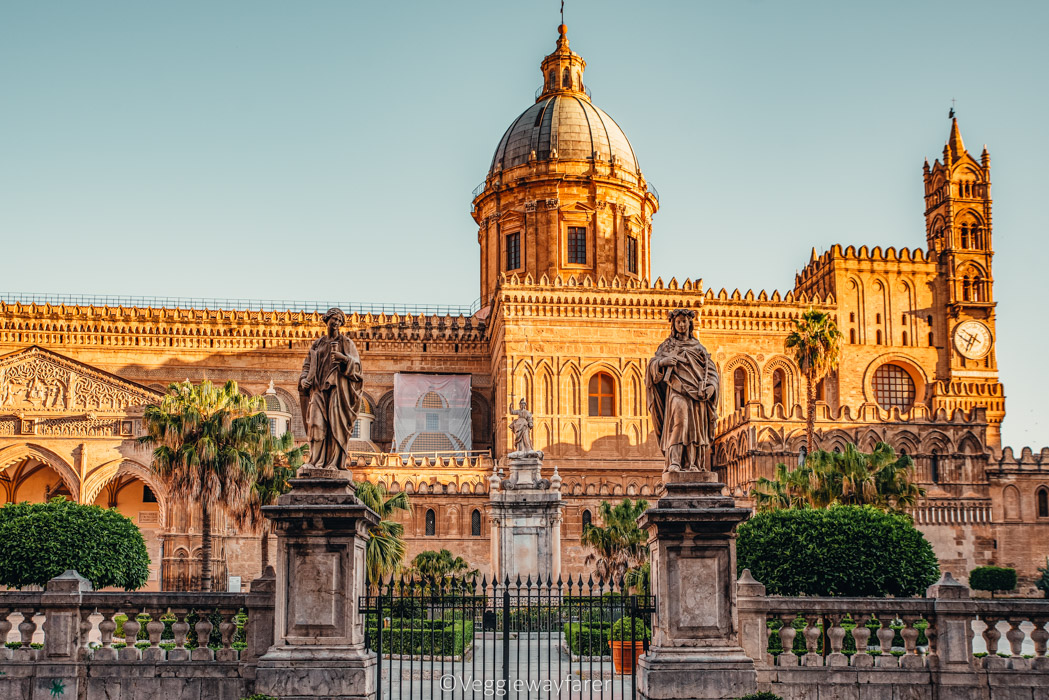
Why I Recommend Western Sicily for One Week
East vs west Sicily
If you only have one week in Sicily, the biggest decision is whether you want east or west Sicily. East Sicily is the easier classic first trip, because it bundles together Etna, Taormina, Syracuse, and Noto in one neat route. Western Sicily, meanwhile, feels a little more rugged, a little less polished, and in many places more local.
This side of the island leans more heavily into markets, Arab-Norman architecture, beach towns, hilltop villages, and rugged coastal scenery. It also happens to contain Palermo, which, in my utterly biased opinion, is the most beautiful place in Sicily.
Why Palermo is the best place to start
Palermo is the natural gateway to western Sicily and the best place to begin this route. It gives you a real jolt of Sicilian energy right away, and it also places you well for heading east to Cefalù or west towards Trapani, Erice, and the coast. Aside from Catania, it is the second-largest airport on the island and is well-connected to many European and US destinations.
Flying into Catania instead?
If you are landing in Catania, I would not try to force this route to work. Western Sicily deserves its own trip, just as eastern Sicily does. Read my 7 day eastern Sicily roadtrip if you do decide to fly via Catania.
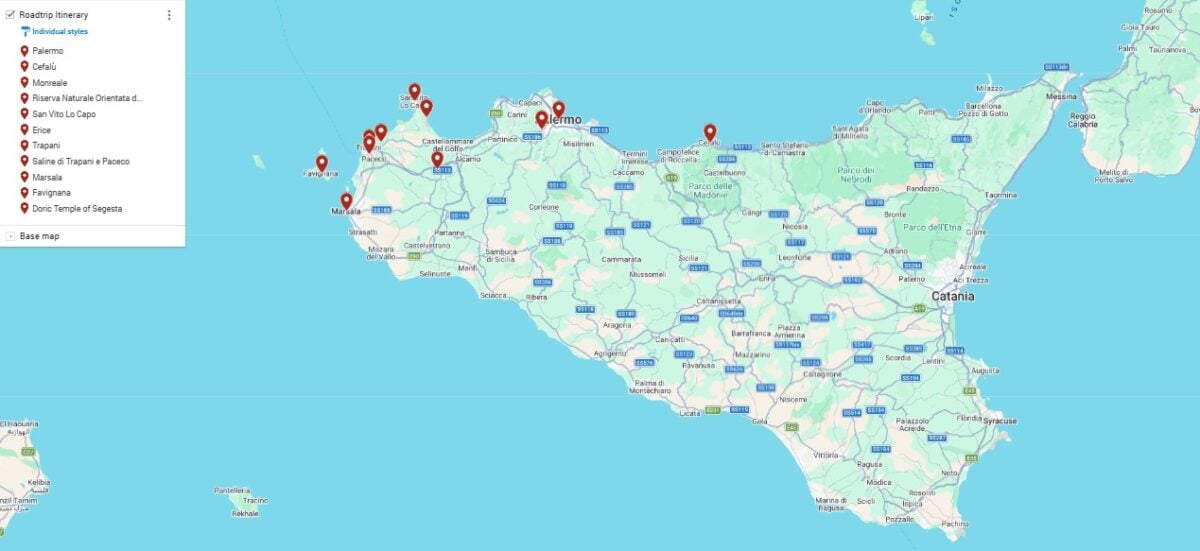
Map of this Sicily Itinerary
Find your western Sicily itinerary plotted on an interactive Google Map.
Your Route: Palermo → Monreale → Palermo → Cefalù → Zingaro / San Vito Lo Capo → Erice → Marsala → Favignana (or Segesta)→ Palermo
7 Day Itinerary for Western Sicily
This 7-day western Sicily itinerary starts in Palermo and focuses on the northwest of the island. Over the course of a week, you will combine bustling (slightly chaotic) cities, hilltop towns, coves with crystalline water and a protected natural reserve. It is a lot less traveled than eastern Sicily so prices are usually slightly lower.
No car western Sicily itinerary
Do not fancy driving? A partial no-car route is possible here, more so than in southeast Sicily. Palermo and Cefalù are easy by train, and Trapani can be reached by public transport too. That said, once you want to include Erice, San Vito Lo Capo, Scopello, or the salt pans, a car becomes much more practical or you can book a tour. Here are a few options:
- Palermo – Monreale: This can be done via public transport (bus)
- Palermo – Cefalù: Monreale & Cefalù halfday tour from Palermo
- Erice and Segesta: Erice and Segesta Day Trip from Palermo
- Erice, Marsala, Salt Flats: Erice, Marsala, visit a winery for lunch and finish with the Salt Flats. Full day tour from Palermo
Plan your trip to the west of Sicily
SHORT ITINERARY | 3-5 Days in Sicily Itinerary
TO DO | One to Three Day Palermo Itinerary // Most Beautiful Churches in Palermo
WHERE TO STAY | Which Area to Stay in Sicily // Boutique Hotels in Palermo
TO EAT | Local Guide To Palermitan Streetfood
DAY TRIPS | 15 Day Trips from Palermo
UNMISSABLE PLACES TO VISIT | Most Beautiful Places in Sicily // Most Beautiful Villages in Sicily
PRACTICAL | Driving in Sicily, a Local Guide
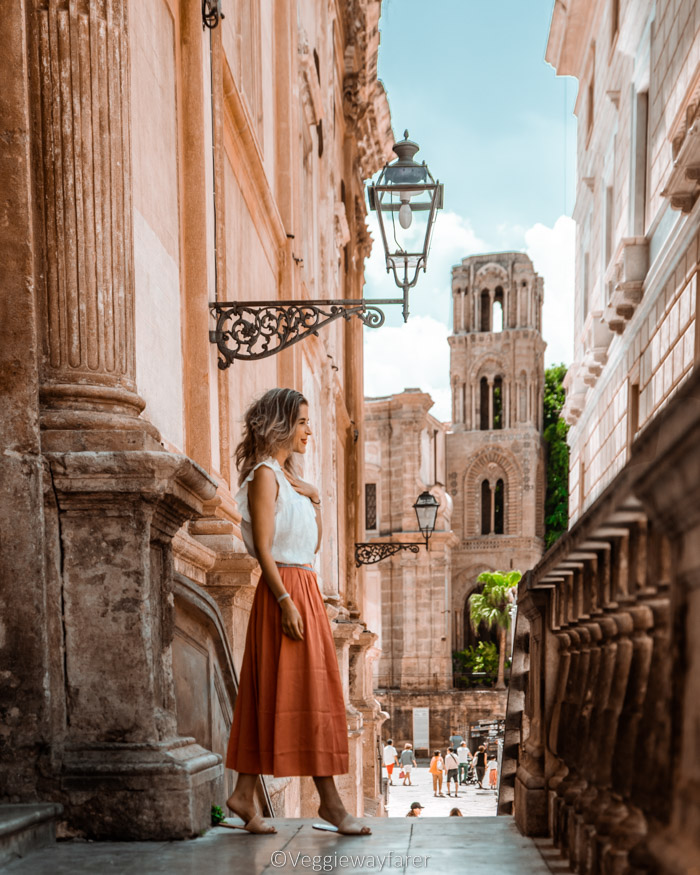

DAY ONE: PALERMO

My partner is Palermitan, which means we end up in Palermo multiple times a year. Over time, the city has become a second home to me, and I could wax lyrical about it for far longer than is probably reasonable. There is simply nowhere else quite like it.
In Palermo, faded aristocratic palazzi sit beside no-frills bars pouring €5 Aperol Spritzes, laundry flaps above grand piazzas, and new artisanal stores seem to mushroom up faster than I can keep count. It is loud, gritty, chaotic, and at times completely overwhelming, yet for me, it remains one of the absolute highlights of any western Sicily itinerary.
WHERE TO STAY IN PALERMO
LUXURY PICK: Rocco Forte Villa Igiea. Palermo’s grandest stay by a mile. Housed in the former summer residence of the powerful Florio family, this hotel is a real slice of Palermitan history and feels every bit as elegant as you would hope. It sits slightly outside the historic centre, so it is best suited to travellers with a car, especially as parking is available.
MY RECOMMENDATIONS: I Mori di Porta Nuova Suite & Terrace. A lovely little B&B in a very convenient part of the historic centre. It is central enough for sightseeing on foot, but tucked away in a quieter area that feels calmer and safer than some other parts of Palermo. The view is excellent too.
BUDGET PICK: La Terrazza sul Centro. As central as it gets. We stayed here a few years ago and really loved both the service and the breakfast terrace. It is set in an old building in a lively part of town, so do pack earplugs, but for location alone, it is a very solid budget option.

HIGHLIGHTS OF PALERMO
If you only have one day in Palermo, keep things simple and focus on the historic centre. Most of the city’s major sights are within walking distance of one another, which makes it a very easy place to explore on foot and a brilliant first stop on a Palermo road trip.
PALATINE CHAPEL | Tucked inside the Norman Palace, home to the oldest still-functioning parliament in the world, the Palatine Chapel is one of those places that impresses every single time. Its walls are covered in shimmering gold mosaics depicting biblical scenes in exquisite detail, and the overall effect is nothing short of spectacular. A €12 combined ticket includes the Royal Apartments, Royal Gardens, and the chapel itself. It is worth booking ahead to avoid the queues.
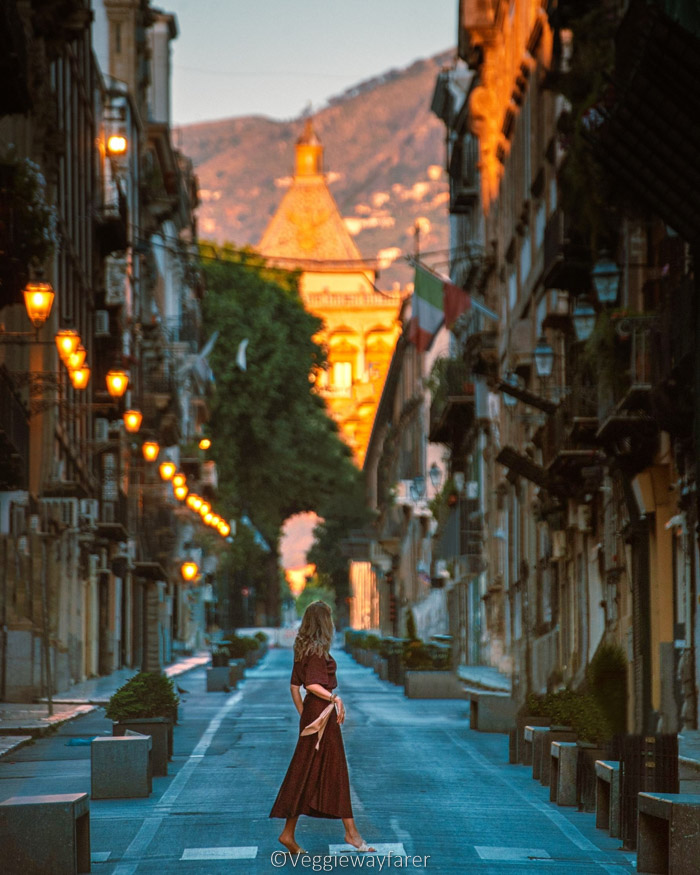
CORSO VITTORIO EMANUELE & QUATTRO CANTI | One of the two main arteries of Palermo’s old town, Corso Vittorio Emanuele is the city’s oldest street and the best place to get your bearings. It stretches for around 1.5 kilometres from the Norman Palace towards the port, passing the cathedral, Quattro Canti, and a string of grand old palazzi along the way. I love it most in the early morning, when the heat is not overbearing yet, and locals are out and about getting in their morning walk.
BOOK A LOCAL TOUR | Book yourself the original street food tour for Palermo. Street food is an integral part of Palermitan culture so you really do not want to miss out on trying it out and learning about the history!
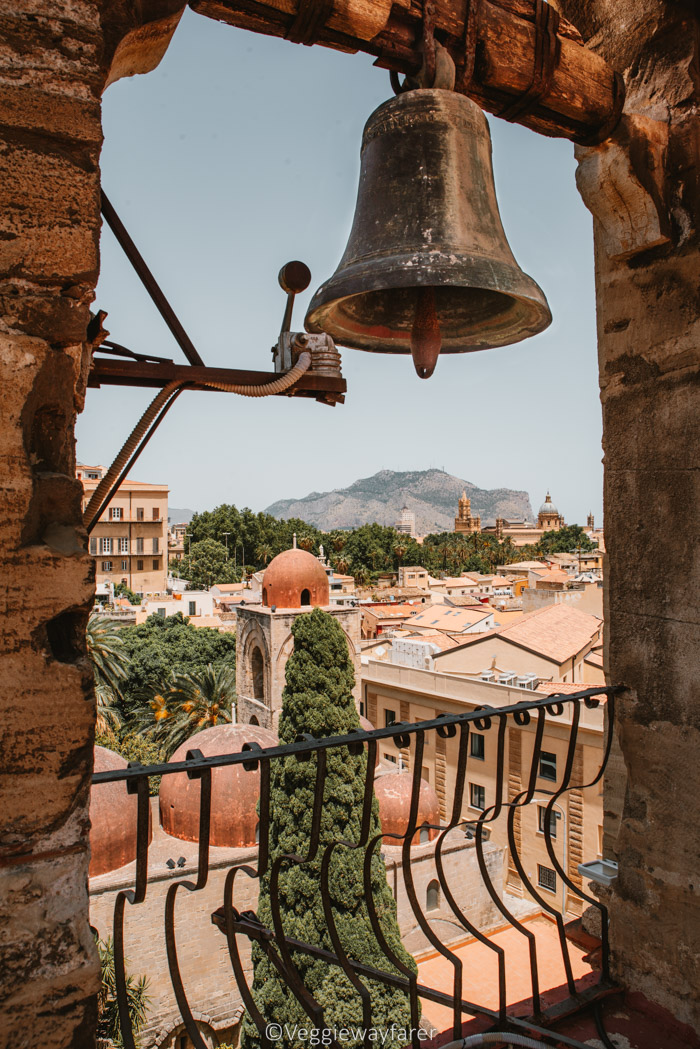
CHIESA DI SANTA CATERINA D’ALESSANDRIA | If you only have time for one church in Palermo, make it this one. Behind its fairly restrained exterior lies one of the most extravagant baroque interiors in the city, all marble, frescoes, and decoration piled gloriously high. Do not skip the rooftop, which has some of the best views over Palermo, or the monastery garden below, where you can stop for cannoli said by many locals to be among the best in town.
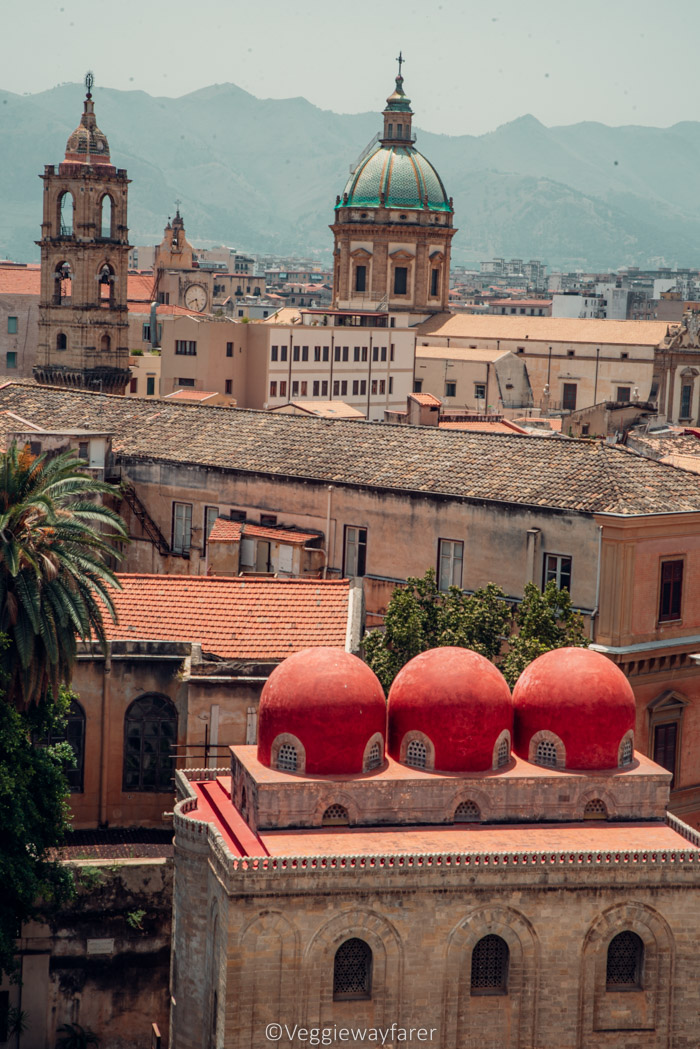
LA MARTORANA & SAN CATALDO CHURCH | Sitting side by side on Piazza Bellini, these two 12th-century Norman churches are among my favourite spots in Palermo. La Martorana is richly decorated, with golden Byzantine mosaics and later baroque additions, while San Cataldo is much more austere, instantly recognisable by its three red domes. Together, they are a perfect illustration of the many cultural layers that make one week in western Sicily feel so fascinating
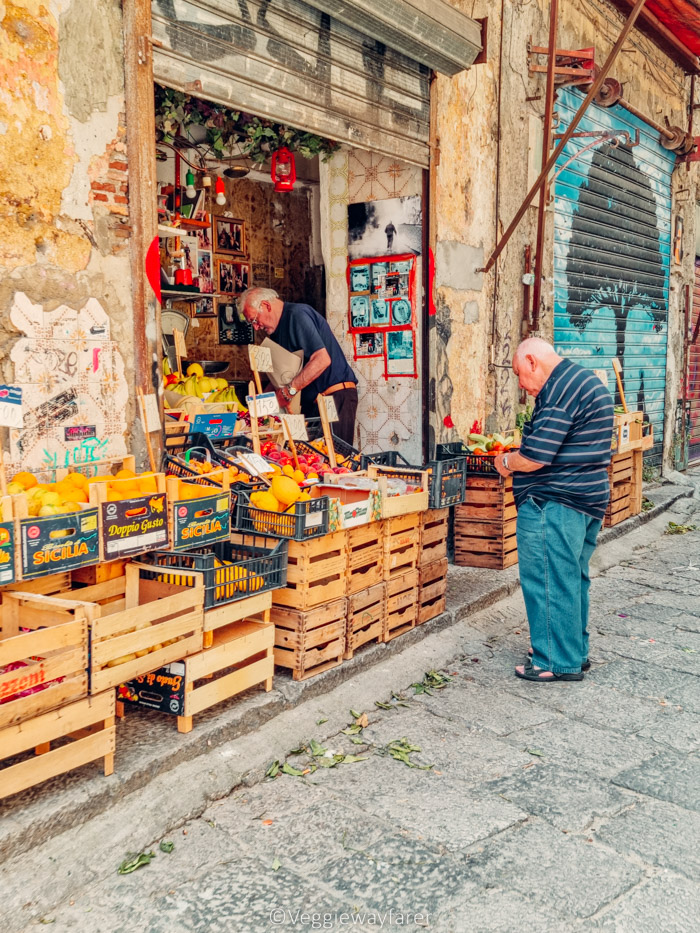
EXPLORE THE HISTORIC MARKETS | Palermo’s four historic markets, Ballarò, Capo, Vucciria, and Borgo Vecchio, were once the beating heart of the city and, although they are more visitor-friendly these days, they are still absolutely worth experiencing. They are loud, chaotic, packed with street food stalls, tiny bars, and places to stop for a quick bite, which is very much Palermo at its best. Just keep a close eye on your belongings, as pickpockets are not uncommon. If you want more context, a guided market tour is the way to go!
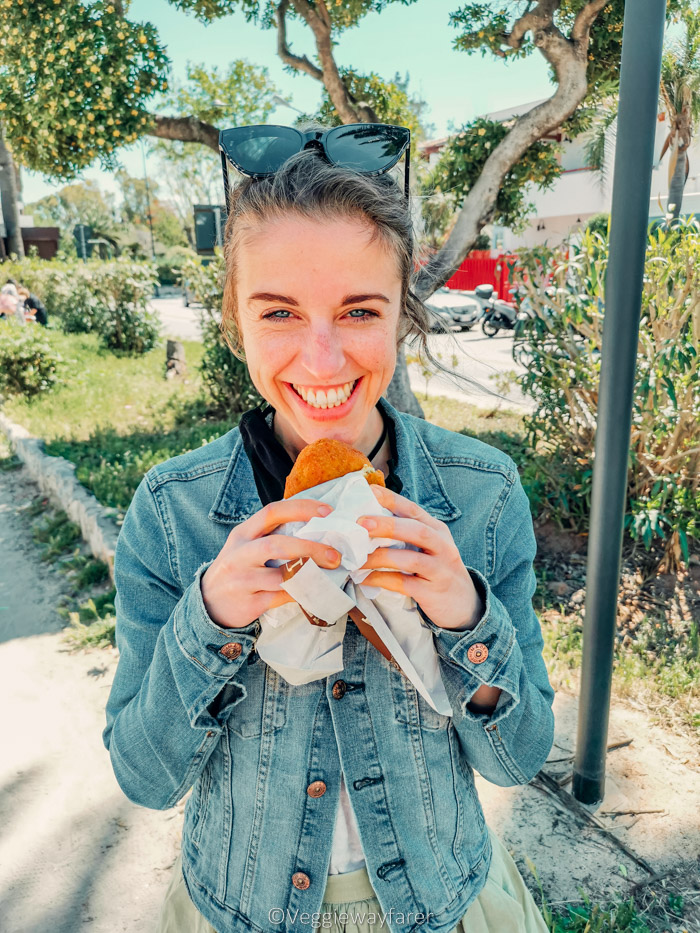
TRY THE PALERMITAN STREET FOOD | You cannot really understand Palermo without eating your way through it. From a crisp arancina stuffed with ragù to pani câ meusa filled with spleen and cheese, to ricotta-filled cannoli for dessert, the street food scene is a huge part of the city’s identity. It is messy, greasy but oh my goodness it’s so good!.
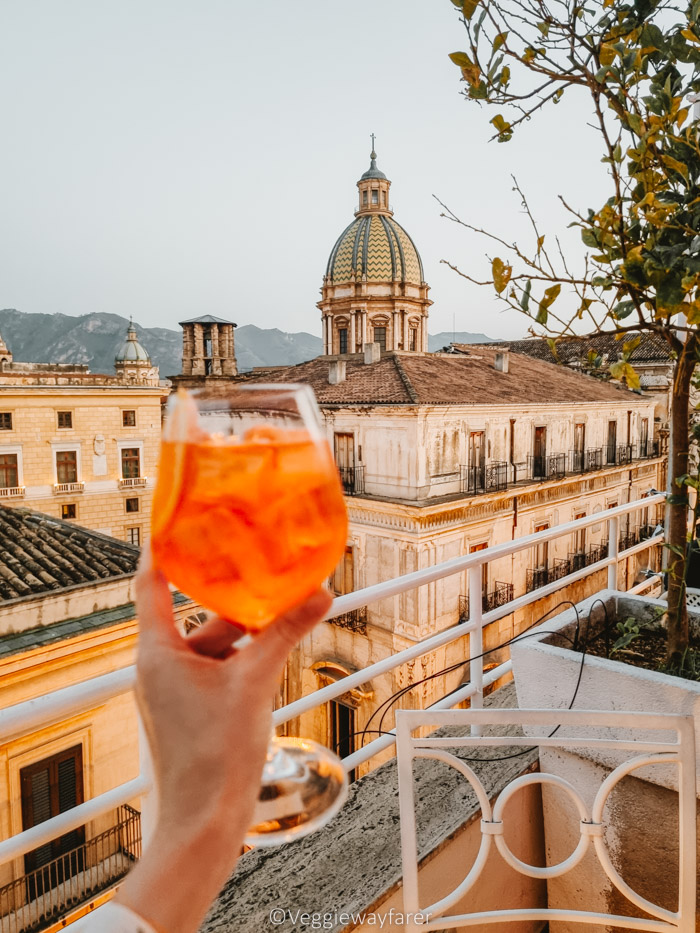
HAVE AN APERITIVO | Palermo does aperitivo very well, and if you only pick one spot, I would head up to Seven Rooftop Bar. It sits on the seventh floor of the Ambasciatori Hotel on Via Roma and has sweeping views over Palermo’s rooftops, domes, and church towers. It is a lovely place to pause after a busy day of sightseeing, but do book ahead, as it is no secret.
PRACTICAL TIPS FOR VISITING PALERMO
GETTING AROUND | The historic centre is best explored on foot. Most sights are within easy walking distance of each other. If the heat gets too much, flag down one of the white APE taxis at Quattro Canti for a 1.5-hour tour at around €60. Please do not take a horse-drawn carriage, as these animals are not treated well, and I have seen them collapse before.
PICKPOCKETS | The markets are known hotspots; keep your belongings close, wear a crossbody bag, and stick to daytime visits. The side streets can get a little sketchy after dark.
PARKING | Driving in Palermo is not for the faint-hearted. If you do have a car, look for blue-lined parking spaces or use a parking garage. Always ys pay the informal parking attendant €1, not more, and not less.
MARKETS | Go early. By 9 a.m., the markets are already heaving with tourists, and the best produce is long gone. Aim for between 6 and 9 am for the most authentic and local experience.

DAY TWO: PALERMO + MONREALE
No matter how you shape your trip, Monreale deserves a place near the top of the list. It is an easy half-day excursion from Palermo and home to one of the most extraordinary cathedrals on the island. I have been about three times and would happily traipse out for a fourth time.
HOW TO GET TO MONREALE FROM PALERMO
Monreale lies around 8 kilometres southwest of Palermo and is very easy to reach by public bus. Take the 389 bus from Piazza Indipendenza, just beside the Norman Palace, for roughly €1.50. The journey takes around 30 minutes and drops you about 200 metres from the cathedral. It is a popular route, so it is very hard to miss where to get off as most people are heading there too.
GUIDED TRIP FROM PALERMO | Short on time? Book a half-day tour from Palermo combining both Cefalù and Monreale.

MAIN ATTRACTIONS IN MONREALE
CATHEDRAL OF MONREALE | Do not be fooled by the rather severe, fortress-like exterior. Step inside and you are met with one of the most astonishing church interiors in Italy. Built in the 12th century under William II of Sicily, the cathedral is covered in more than 6,000 square metres of golden Byzantine mosaics, making it the largest mosaic cycle in Italy and second only to Hagia Sophia in Istanbul. If you are mapping out a west coast Sicily itinerary, this is one stop I would consider completely non-negotiable. Purchase your tickets in advance to skip the lines.
CATHEDRAL TERRACES | For sweeping views over the Conca d’Oro and the rooftops of Monreale, head up to the cathedral terraces. What makes this climb especially interesting is that you pass through the cathedral’s upper level first, with little windows opening onto the nave below and giving you a wonderfully unusual perspective of the church interior. It is not the best choice if you suffer from vertigo or claustrophobia, but if heights do not bother you, it is very much worth it. Entry is around €3 and can be combined with the main cathedral ticket.
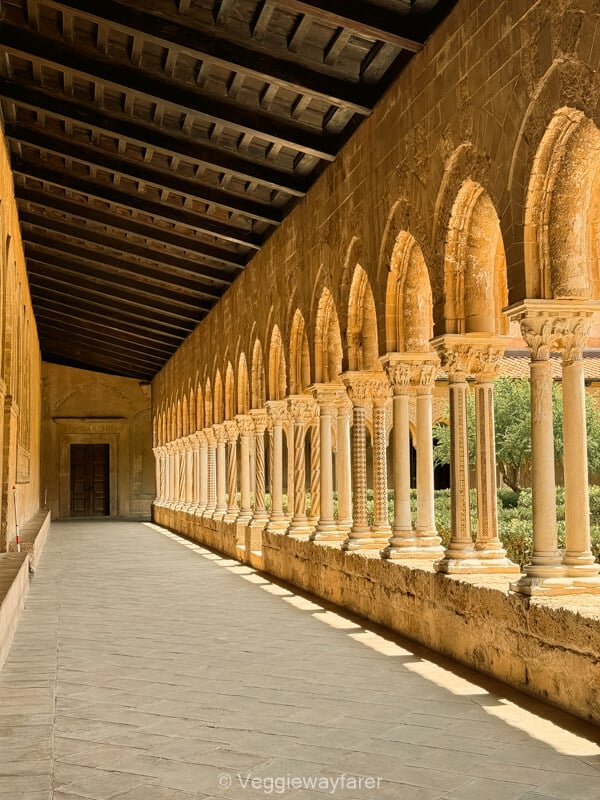
EXPLORE THE CLOISTER | Just beside the cathedral sits the 12th-century cloister, and for me it is one of the loveliest corners of Monreale. The courtyard is lined with 108 marble columns, each one carved and decorated differently, with intricate mosaics and arabesque details that speak so beautifully to Sicily’s layered history. It is often far quieter than the cathedral itself, which may be exactly why I always make time for it.
DAY THREE: CEFALU
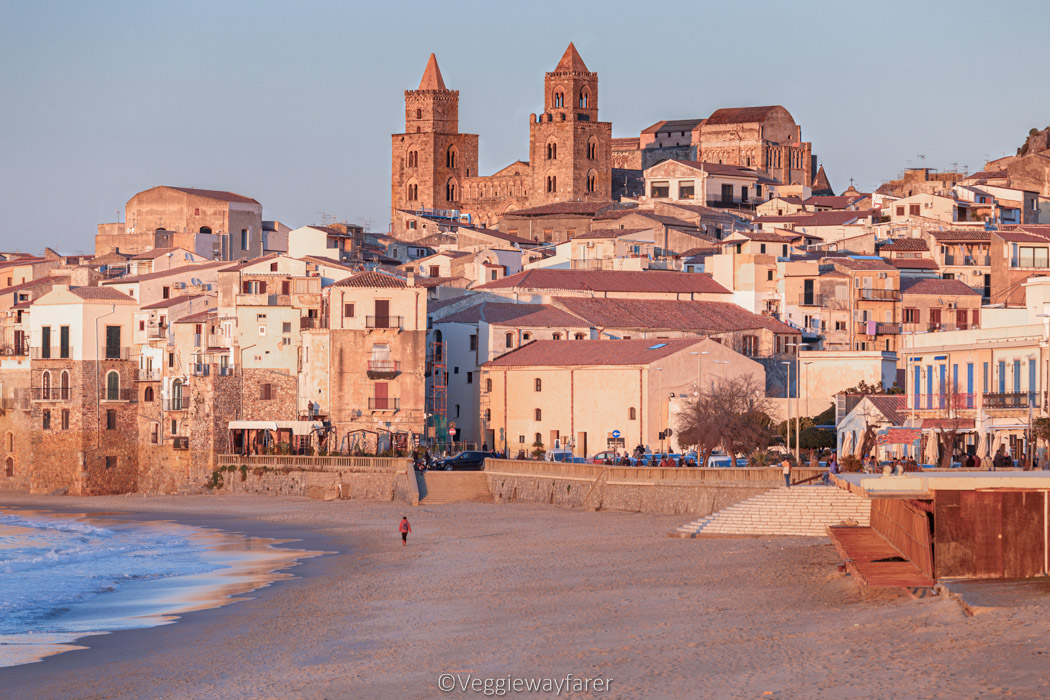
No matter how many times I visit Cefalù, I always end up wondering whether there is a prettier seaside town in all of Sicily. It has one of the rare sandy beaches on the island, a very cute town, and a magnificent Norman cathedral. It is worth noting that this once sleepy village has firmly made it onto the well-trodden tourist path. It tends to get very, very busy between June and September. If you decide to visit, I highly recommend taking the direct train from Palermo to Cefalù.
GUIDED TRIP FROM PALERMO | Short on time? Book a half-day tour from Palermo combining both Cefalù and Monreale.
WHERE TO STAY IN CEFALU
LUXURY PICK: Le Calette Bay – If you are looking for a proper splurge in Cefalù, this is the one I would choose. With its sea-view setting, beautiful pool, and easy access to the water, it’s a nice little tranquil oasis. It is slightly outside of the centre.
MY RECOMMENDATIONS: Garibaldi B&B – Set in the historic centre of Trapani, Guesthouse B&B Garibaldi is a great pick if location matters most, with the port, old town, and seafront all within easy walking distance.
ADULTS ONLY: Al 33 Giri – If you are after somewhere smaller and more personal, Al 33 Giri is a lovely option. Set slightly above Cefalù, it has an adults-only feel, a pool with a view. Perfect if you want to retreat after a day in tourist-laden Cefalù.

HIGHLIGHTS OF CEFALU
DUOMO DI CEFALÙ | The cathedral is the undeniable star of town, rising above the old centre with its twin towers and that wonderfully dramatic setting against the rock. Built by the Norman king Roger II in the 12th century, it is one of the most important monuments in Cefalù and an easy highlight of any northwest Sicily itinerary.
LA ROCCA DI CEFALÙ | If you do not mind a climb, heading up La Rocca is one of the best things to do in Cefalù. The views over the terracotta rooftops and the sea are excellent, and along the way you can also see the ancient Temple of Diana, a megalithic structure that sits partway up the route.
LAVATOIO MEDIEVALE | Tucked just below street level off Via Vittorio Emanuele, Cefalù’s medieval wash house is one of those small sights that make for a good story. It is cool, shaded, and wonderfully atmospheric, with stone steps leading down to the old water channels where women once came to wash clothes.
THE HISTORIC CENTRE | Cefalù is perfect for just strolling around. The old town is compact and easy to explore, with narrow lanes, worn stone buildings, little shops, and the occasional glimpse of the sea appearing between the houses. Even this directionally challenged traveler cannot get lost in the village.
THE LUNGOMARE | One of Cefalù’s great charms is that it manages to combine a genuinely beautiful old town with a proper beach feel. A stroll along the seafront is almost mandatory, or, weather permitting, take a swim!

DAY FOUR: ZINGARO & SAN VITO LO CAPO
Combining San Vito Lo Capo with the Riserva dello Zingaro in a single day is, in my opinion, one of the loveliest things to do in one week in western Sicily. They sit just a few minutes apart by car, yet offer two very different sides of this corner of the island: one all beachy ease and turquoise water, the other wild, rugged, and best explored on foot.
The drive from Palermo takes around 1 hour 10 minutes, following the northwestern coast past Castellammare del Golfo, which is worth a quick stop if you have time. Its little harbour, pastel buildings, and a castle overlooking the bay with beautiful views.
WHERE TO STAY IN ZINGARO OR SAN VITO LO CAPO
LUXURY PICK: Tonnara di Scopello – This is probably the most famous stay in the area these days, thanks in no small part to social media. The setting is undeniably beautiful, but the prices are firmly at the upper end and personally, I am not convinced the overall experience quite justifies the hype.
MY RECOMMENDATION: Baglio La Luna B&B – A charming little B&B with gorgeous views over the cape, plus a swimming pool, a lush garden, and a generous sun terrace for lazy afternoons. It also has free parking, which is always a bonus around here.
BEST VIEWS: Artemide Hotel – A smart and well-located three-star hotel within easy walking distance of San Vito Lo Capo’s famous beach. The modern rooms, rooftop terrace, and jacuzzi make it a very easy place to unwind after a day out in the reserve, and breakfast is included too. Staff are also consistently praised for being especially helpful with local recommendations.


HIGHLIGHTS OF RISERVA DELLO ZINGARO & SAN VITO LO CAPO
RISERVA DELLO ZINGARO | Sicily’s first-ever nature reserve and, quite honestly, one of the most beautiful stretches of coastline on the island. A 7-kilometre coastal trail links a series of six coves with clear turquoise water, weaving through wild Mediterranean scrub with no roads, no beach clubs, and no buildings to distract from the scenery. The first cove is around a 15-minute walk from the southern entrance near Scopello. Entry costs €5 per person, cash only, and you will need to bring water, snacks, and anything else you might need, as there are no facilities once you are inside.
TONNARA DI SCOPELLO | If you have seen photos of Scopello online, chances are they were taken here. The faded pink buildings, the old stone tuna fishery, the dramatic sea stacks, and that little cove of impossibly clear water have made the Tonnara di Scopello one of the most photographed spots in Sicily. It has become much more popular in recent years, and what was once a free swim spot now costs between €10 and €25, depending on the season. Your ticket includes a deckchair and entry to the small museum. In summer, it is essential to book ahead online.
BOOK IT FROM PALERMO | In case you do not feel like driving, book a San Vito Lo Capo, Zingaro Reserve and Scopello Tour departing and ending in Palermo.
SAN VITO LO CAPO | This little seaside town is home to one of the most famous Blue Flag beaches in Italy, with pale sand and water so bright turquoise it barely looks Mediterranean. It is beautiful, though rarely a secret, so if you are after something quieter, head about 15 minutes up the road to Baia di Santa Margherita near Macari, where the bay is broader, the views of Monte Cofano are stunning, and the atmosphere is far more relaxed. When hunger strikes, order couscous. San Vito is known as the couscous capital of Sicily, a delicious nod to the island’s North African influence, and it is very much the local speciality.

DAY FIVE: ERICE & TRAPANI
From Palermo, the drive to Erice takes around 1 hour 30 minutes. From Cefalù, it is closer to 2 hours 30 minutes, so this works best as a longer transfer day. I would head straight to Erice first, as it is perfect for half a day of wandering, then continue down to Trapani, which is only about 20 minutes away by car and makes a much more practical base for the next few days.
WHERE TO STAY IN TRAPANI
LUXURY: Palazzo Gatto Art Hotel & SPA – If you want a proper splurge in Trapani, this is the one I would choose. It sits right in the historic centre and adds a pool and spa to the mix, which is not something you get all that often in town.
MY RECOMMENDATION: Re Sale Boutique Hotel – A very solid all-rounder if you want somewhere central, stylish, and easy. It is right in the middle of Trapani, with a terrace and consistently strong reviews, which makes it a good fit for a short stay.
BEST VIEWS: Residence La Gancia – If views are the priority, this is the one I would pick. The roof terrace overlooking the town and bay is the standout, and the location in the centre near the beach makes it practical too.

HIGHLIGHTS OF ERICE
CASTELLO DI VENERE | Perched right on the edge of the cliff, the Castello di Venere is Erice’s most visited sight. Built by the Normans on the site of an ancient temple dedicated to Venus, it comes with the most beautiful views over Trapani, the coastline, and even the Egadi Islands on a clear day. It’s my favorite viewpoint on this west coast Sicily itinerary.
GIARDINO DEL BALIO | Just beside the castle, these gardens are one of the prettiest spots in town and a lovely place to slow down for a moment. The paths, shady corners, and sea views make it feel calmer than some of Erice’s busier lanes, and the setting is every bit as beautiful as you would hope
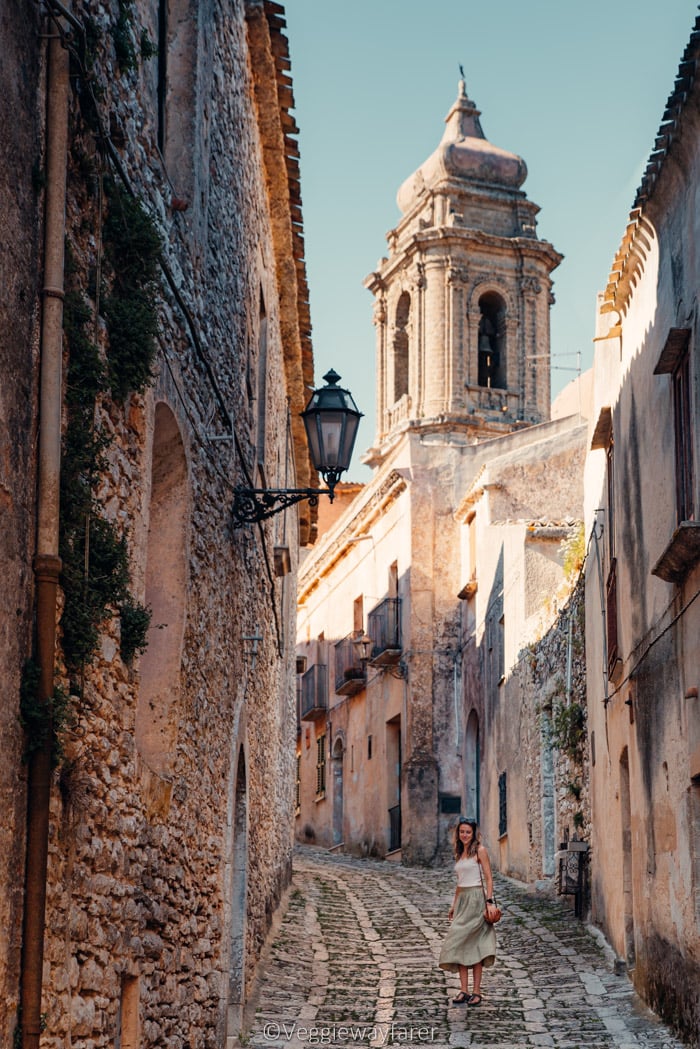
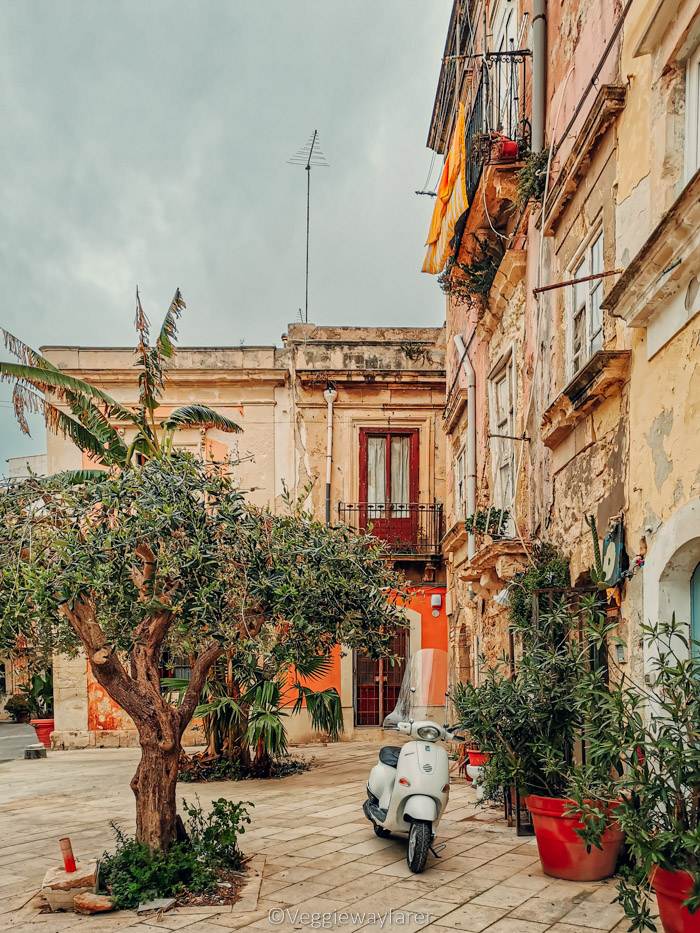
THE COBBLED STREETS AROUND PORTA TRAPANI | One of the best things to do in Erice is simply wander. Start near Porta Trapani and let yourself get pleasantly lost among the stone lanes, little squares, and weathered facades that give the town its unmistakably medieval feel.
REAL DUOMO DI ERICE | Erice has no shortage of churches, but the Real Duomo is the one most worth your time. Built in the 14th century, it is a striking example of Sicilian Gothic, and if you are up for climbing the bell tower, the views over the town are excellent.
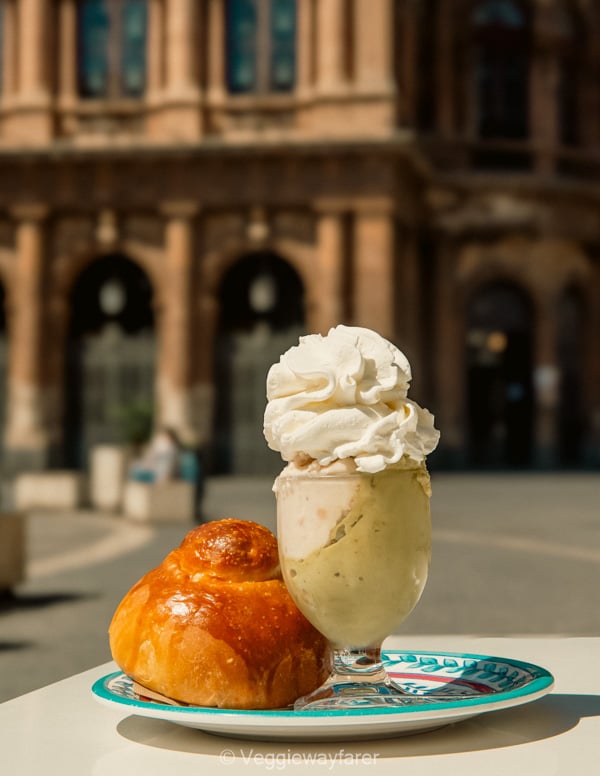
TRY A GENOVESE PASTRY | Erice is famous for its genovesi, a warm shortcrust pastry filled with custard and best eaten fresh, ideally while still slightly warm. The classic place to try one is Pasticceria Maria Grammatico, a beloved local institution on Via Vittorio Emanuele, where the pastries are as much a part of the Erice experience as the cobbled streets and sea views.
HIGHLIGHTS OF TRAPANI
TORRE DI LIGNY | Sitting right at the tip of Trapani, this 17th-century watchtower is one of the city’s most recognisable landmarks. The real reason to come is the view, with the sea on all sides, the Egadi Islands in the distance, and Trapani curving away behind you. Inside, there is also a small museum with marine archaeology finds. My suggestion would be to come here for sunset!
TRY BUSIATE ALLA TRAPANESE OR COUSCOUS | Trapani has a strong food identity, and if you only try one local dish here, make it either busiate alla Trapanese or couscous. The first is a twisted pasta served with a tomato, almond, basil, pecorino, and garlic pesto, while couscous speaks to the long North African influence on the western coast. Both are delicious and perfect for vegetarians traveling around Sicily.
MUSEO AGOSTINO PEPOLI | If you have a bit of time on your hands, this is a neat little museum to visit. It runs through the history and artistic heritage of Trapani. Housed in a former Carmelite convent, the building is worth taking a peek inside.

DAY SIX: MARSALA & THE SALT FLATS
From Trapani, the drive to Marsala takes around 40 minutes, which makes it an easy next stop on this route. You can visit the salt flats from either city, but since Erice and Trapani already make for a fairly full day, I would save them for when you move on to Marsala instead.
TIP | The salt flats are a 33 minute drive from Marsala. It is worth backtracking a little to visit the salt flats around sunset. The absolute undefeated best sunset I ever saw in Sicily was here, while nursing a cold beer you can end the day exactly as I once did: nursing a cold beer at Mamma Caura, a bar inside the salt flats.
WHERE TO STAY IN MARSALA
MY RECOMMENDATION: Agriturismo Baglio Donnafrance Wine Resort. We did a winetasting here a few years back, and the place is nothing short of spectacular. The wine was paired with delicious food, and the staff was so nice! I would definitely come back to stay here for a few days.
LUXURY PICK: Dome Hotel. A boutique four-star in the heart of Marsala’s historic centre, with just 15 rooms, a beautiful mix of Sicilian heritage with Andalusian and Moorish architectural touches, and a rooftop pool with views over the city’s famous church domes.
BUDGET PICK: Villa Salinara. A beautifully restored 18th-century Sicilian baglio (a traditional rural farmhouse built around a central courtyard) set among vineyards and olive groves just 500 metres from the sea, with garden terraces, sea views, and an organic vegetable garden that feeds the breakfast table.
HIGHLIGHTS OF MARSALA
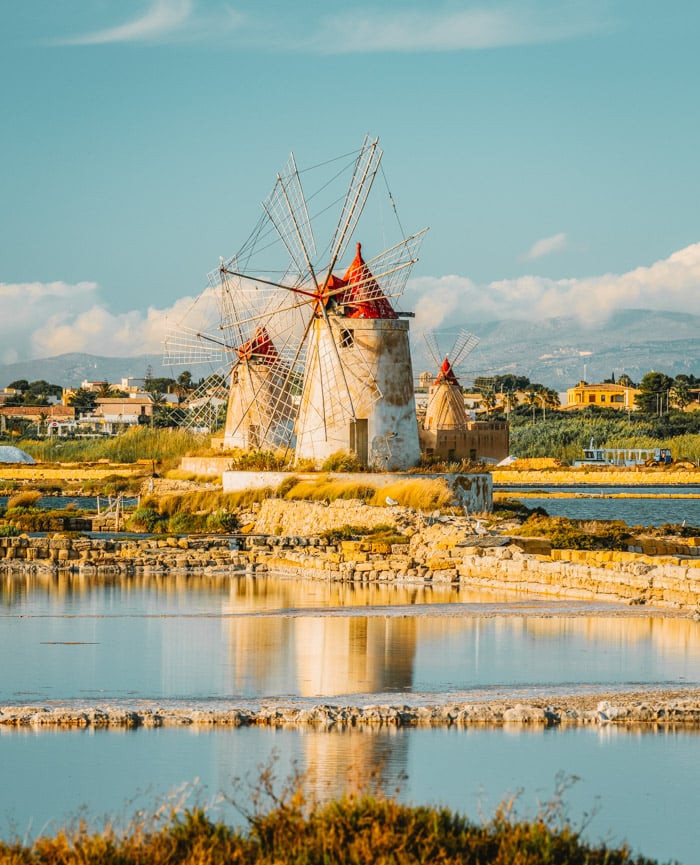
SALT FLATS OF TRAPANI | What most people mean by “the salt flats” is the long stretch of salt pans running between Trapani, Paceco, Nubia, and Marsala, which is why it can feel a little confusing. If you are based in Trapani and only want a quick visit, I would head towards Nubia. It is the easiest option for a short stop, a few photos, and a wander around the pans without turning it into a whole excursion.
If, on the other hand, you want the full golden-hour experience, I would save the salt flats for your Marsala day instead. That southern stretch is my favorite part. Around the Ettore e Infersa side, you get the more famous windmill-and-water views, plus bookable walks, boat departures, and the well-known Mamma Caura bar I mentioned above.
BOOK A WINE TASTING | You really cannot come to Marsala and skip the wine. Luckily, there are several excellent options. Cantine Florio, founded in 1833, is the oldest producer in town and offers guided cellar visits with a tasting of five wines from €12. Donnafugata, just a short walk away, is a beautiful family-run winery with tastings from €24. For something a little more low-key, Cantine Pellegrino, still run by the same family for seven generations, is a favourite among locals, my father-in-law included. Whichever you choose, book ahead, as all three require advance reservations.
WINE TOUR | Wine tours are very popular in Marsala. Either call the above-mentioned producers or book your wine tasting online before you go to secure your spot.
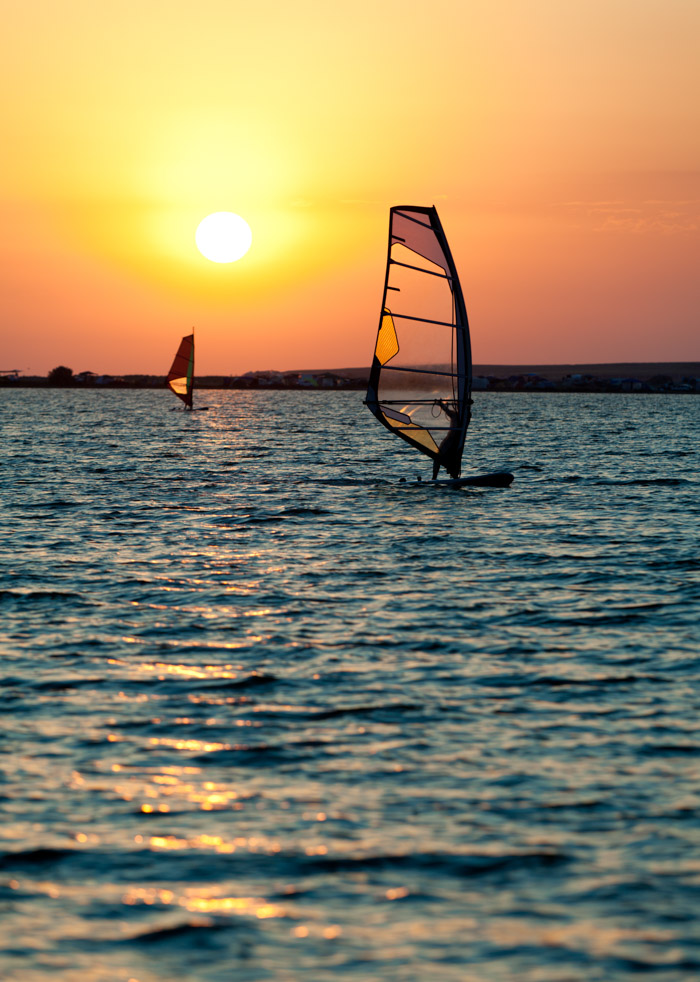
GO KITESURFING IN LO STAGNONE | If you fancy breaking up the churches, beaches, and wine tastings with something a little more active, head to Lo Stagnone just north of Marsala. It has quietly become one of the best-known kitesurfing spots in Europe, thanks to its steady wind, warm shallow water, and wide open lagoon. The conditions are beginner-friendly, but it is also a great place for more experienced riders. Lessons usually start at around €43 per hour, and Flow Kite School and Kite Lab are both very well regarded.

DAY SEVEN: ISLAND HOPPING OR HEAD BACK TO PALERMO
On the last day of your western Sicily itinerary, you have two good options depending on when you fly out of Palermo. If you have a full day, I highly recommend taking the ferry from Marsala to the Egadi Islands. It takes around 30 to 40 minutes and runs several times a day, making it a very easy day trip. Check schedule/ book via Ferryscanner
If your flight is earlier, start the drive back from Marsala to Palermo instead, which takes roughly 1 hour 40 minutes, and break up the journey with a stop in Segesta or Castellammare del Golfo. Favignana is still my favourite place in all of Italy, but this way the day stays flexible and realistic.
BOOK A TOUR | If time is tight, look into booking an Egadi Island Tour from Trapani. Includes a visit to Favignana and Levanzo on your boat (max 12 guests per tour)
WHERE TO STAY IN FAVIGNANA
LUXURY | I Pretti Resort – This beautiful hotel is a proper splurge. Nestled near the harbor with exceptional sea views over Levanzo. The garden and luxury suites are a rare feat for the island.
MY RECOMMENDATION | Il Baglio sull’Acqua – Set in a beautifully restored 19th-century baglio in Favignana, it comes with a pool, garden, and plenty of character, which makes it a lovely pick if you want somewhere quieter and more authentic than your classic run-of-the-mill hotel.
BOUTIQUE STAY | Villa Rocce Bianche – If you are after somewhere peaceful, this is a very good pick. Set a short distance from both the sea and the centre of Favignana, it combines a pool, gardens, and has just 6 units in total so it’s wonderfully intimate.

OPTION ONE: EXPLORE THE EGADI ISLANDS
FAVIGNANA | If you have half a day, a trip to Favignana is a wonderful way to round your Sicily trip off. The butterfly-shaped island of the Egadi archipelago is just 30 minutes by ferry from Marsala (tickets from €11), with stunning beaches including the famous Cala Rossa and Cala Azzurra waiting on the other side. Rent a bicycle at the port and pedal your way around the island. This island is the easiest to get to from Marsala.
LEVANZO | Levanzo is the smallest of the three Egadi Islands, with just 200 or so permanent residents and a single whitewashed village clustered around a postcard-perfect turquoise harbour. Never have I seen water as blue as in and around Levanzo. There are no cars, no roads, and barely any restaurants. Make sure to check out the Grotta del Genovese, a sea cave containing extraordinary wall paintings dating back over 10,000 years. The ferry from Marsala takes just 50 minutes.
MARETTIMO | Marettimo is the most remote of the three Egadi Islands, it is a place of wild rocky coastlines, crystal clear sea caves, and hiking trails. The ferry from Marsala takes around 1h15 with tickets starting from €19. No cars are allowed on the island, so you explore entirely on foot.
OPTION TWO: SLOW DRIVE BACK TO PALERMO
CASTELLAMARE DEL GOLFO | For something more relaxed, stop in Castellammare del Golfo for lunch and a stroll by the harbour. It is around 1 hour 10 minutes from Marsala, and then roughly 45 to 50 minutes on to Palermo, so it works well if you want one last seaside pause without turning the drive into a full sightseeing day.
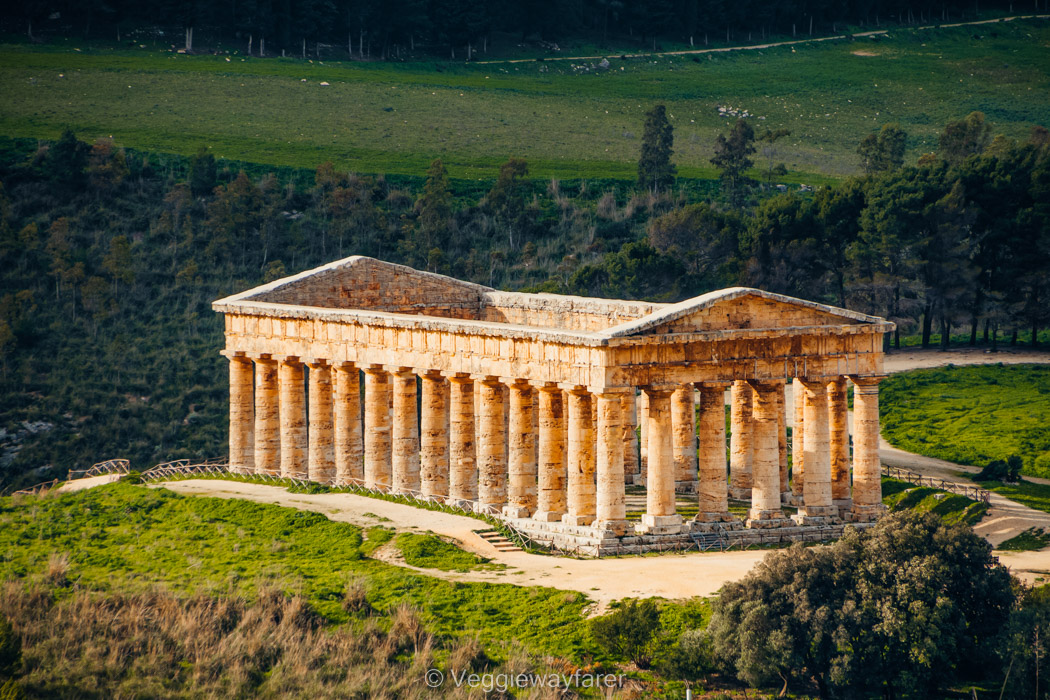
SEGESTA | If you want one final dose of history before heading back to Palermo, Segesta is the most worthwhile stop. The drive from Marsala takes around 45 to 50 minutes, and from there it is roughly another 50 minutes to Palermo, which makes it a very manageable detour on the way back.
Not Covered Sicily Itineraries
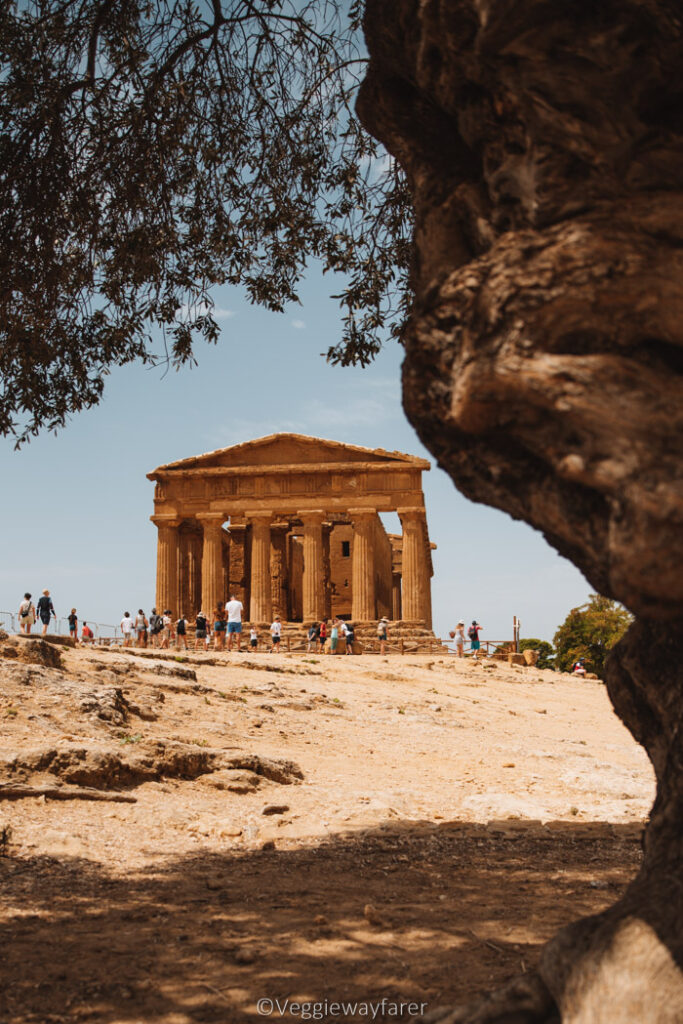
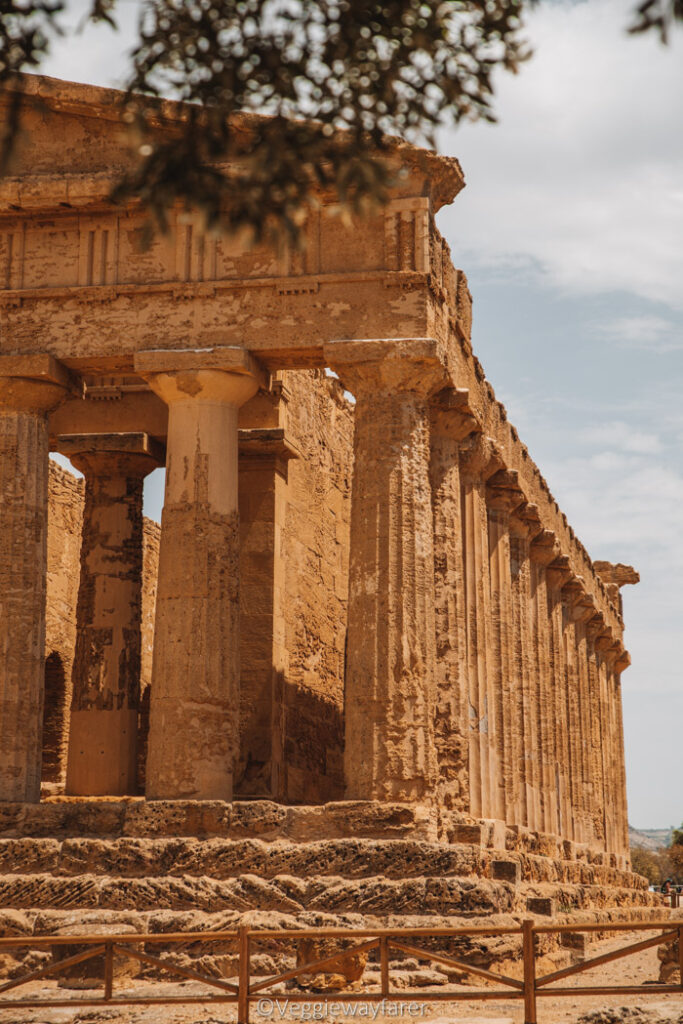
VALLEY OF TEMPLES: The Valley of the Temples is one of Sicily’s most famous archaeological sites, located near Agrigento on the island’s southern coast. It is absolutely worth seeing, but I have left it out of this itinerary because it sits too far from the eastern route to work well in just one week. Rather than adding a long cross-island drive, I would save it for a separate southern or western Sicily trip, where it can be paired more naturally with places like Scala dei Turchi.
TURKISH STEPS: Scala dei Turchi is one of those places in Sicily that has become wildly popular on Instagram, and it is easy to see why. The brilliant white marlstone cliff, curving in smooth layers down towards the sea, is genuinely striking in person. That said, it is almost 3 hours by car from Catania, so not an easy detour. If you do want to include it, it makes far more sense to pair it with the Valley of the Temples, which is only around 20 minutes away, and spread the two over 2 days.
CORLEONE: This town is best known for its links to Sicily’s Mafia history and the way its name entered global popular culture through The Godfather. Today, though, it is also a place tied to the anti-Mafia movement, which gives a visit more depth than the name alone might. I have not been myself, and with only 7 days on the island I would not make this a priority.
SELINUNTE: This is one of the biggest archaeological sites in Europe, set on Sicily’s southwest coast between Marsala and Agrigento. It is absolutely worth seeing, but I have left it out of this itinerary because it sits too far south to fit neatly into a one-week western Sicily route without turning the trip into a lot more driving.

Best Time to Visit Sicily
SPRING (MARCH TO MAY): Temperatures sit between 14°C and 22°C (57°F to 72°F), the countryside is lush and green, and the almond trees around Agrigento bloom spectacularly in late February and early March. Crowds are manageable, prices are lower, and the light is beautiful. The Infiorata festival in Noto takes place on the third Sunday of May, when Via Corrado Nicolaci is carpeted entirely in flower petal mosaics.
SUMMER (JUNE TO AUGUST): This is peak season, with temperatures regularly hitting 30°C to 40°C (86°F to 104°F) inland and on the volcanic islands. The beaches will be absolutely packed. July and August in particular can be brutally hot for sightseeing. You will want to go early in the morning.
AUTUMN (SEPTEMBER TO NOVEMBER): My personal favourite time to visit. The heat softens to a very comfortable 20°C to 28°C (68°F to 82°F) in September and October, the sea is still warm enough to swim in, and the summer crowds thin out noticeably. October also brings the Cous Cous Fest in San Vito Lo Capo, a week-long celebration of Sicily’s North African culinary heritage.
WINTER (DECEMBER TO FEBRUARY): Cool and quiet, with temperatures ranging from 8°C to 15°C (46°F to 59°F). Most beach resorts and Aeolian island services shut down entirely, but the cities (Palermo, Catania, Syracuse) are a genuine pleasure to explore without the summer crush. We visit Palermo every year around Christmas and in recent years the city has started adding little Christmas Markets around the city.
How to Get Around Sicily
CAR: For most of Sicily, a rental car is the only realistic way to get around. Public transport outside the main cities is infrequent, unreliable, and simply not built for tourists. Many of the best beaches, hilltop villages, and archaeological sites are completely inaccessible without your own wheels. Book in advance, brace yourself for Sicilian driving culture, and note that many historic centres operate ZTL zones where driving is restricted. Compare prices via DiscoverCar.
TRAIN: Trains in Sicily are generally slow and infrequent, and most routes are not worth planning a trip around. The one exception worth knowing about is the coastline that hugs the northern shore of the island between Palermo and Messina. It is one of the more scenic train journeys in southern Italy, winding along clifftops above the Tyrrhenian Sea with the Aeolian Islands occasionally visible on the horizon. I am super happy they opened this line a few years ago!
FERRY AND HYDROFOIL: Essential if you are planning to visit the Aeolian or Egadi Islands. Liberty Lines and Siremar run regular hydrofoil services from Milazzo (for the Aeolians) and Trapani (for the Egadis), with frequency ramping up significantly in summer. Check prices and book via Ferryscanner.
FAQ — Sicily 7 Day Itinerary (First-Timers)
How many days do you need in Sicily for a first trip?
A week to ten days is the sweet spot I think. It gives you enough time to pick three bases, do a few day trips, and not feel like you are sprinting between sights. This will entail making hard choices, though. The island is a lot bigger than it might seem and the roads are not all in great condition.
Is 7 days enough for Sicily?
Yes, 7 days in Sicily is enough for a very good first trip, as long as you focus on one side of the island. A week gives you enough time to combine a few cities, coastal stops, and slower scenic moments without feeling constantly rushed. It is not enough for the whole island, which is why a focused east Sicily itinerary usually works best.
Should I fly into Catania or Palermo?
That depends on the route you want to follow. If you want to visit western Sicily, flying into Palermo is the most practical airport. Catania makes sense if you want to visit Mount Etna, Taormina, Noto. Read my 7 day eastern Sicily guide if you are looking for some inspiration for that side of the island.
Can you do western Sicily without a car?
For this route, no, I would recommend renting a car. Public transport works reasonably well between Palermo, Cefalu, Monreale and even Trapani. But if you want to reach Erice, Marsala and anything in between you will need to have your own set of wheels.
Is east or west Sicily better for first-time visitors?
That depends on your interest. Usually, I recommend first-time visitors to head to eastern Sicily first. The reason for this it ticks off locations that are on most people’s Sicily bucket list: Mount Etna, Taormina, Noto, and Marzamemi. But, personally, I find western Sicily a much more authentic side of the island. Fewer tourists, beautiful national parks, and arab-norman architecture.
Is Palermo worth visiting?
Absolutely. This is the most magnificent city I have ever had the pleasure of setting foot in. The city is known for its Arab-Norman architecture, baroque churches, lively markets, and excellent street food. I have been to Palermo over 20 times, and every visit I find another palace or museum to explore. Safe to say there is a lot to see in the city.
What is the best time to visit Sicily for good weather but fewer crowds?
October and the beginning of November are the sweet spot; the sea is still warm, the temperatures are comfortable, and the summer crowds have thinned out considerably. Late April and May are a close second, with wildflowers, cooler days, and a fraction of the August prices.
Is Favignana worth a day trip?
Yes, particularly if you want to slow the pace towards the end of the trip. It is the easiest of the Egadi Islands to visit from the mainland, with fast ferry crossings from Trapani and a compact size that makes it very manageable for a single day. If you are after clear water, a slower pace, and one island stop that fits neatly into the route, Favignana is the most sensible choice.
How many hotel bases do I need for 7 days in western Sicily?
Ideally, three bases is enough, and four should be the absolute maximum. Too many hotel changes can make your trip to Sicily feel rushed, especially when distances are longer than they first appear on the map. For this route, a good split is Palermo, Trapani, and one final base near Marsala or on one of the Egadi islands.
MORE TRAVEL RESOURCES FOR VISITING SICILY
ACCOMMODATION GUIDE – The best areas to stay in Sicily, and which ones to avoid!
THINGS TO DO – Quaint little villages to explore while visiting Sicily
THINGS TO DO – 20 Beautiful places in Sicily
FOOD – Traditional Sicilian food you need to try
FOOD – Comprehensive guide to being a vegetarian in Italy including regional specialties
DRIVING – Local guide to driving in Sicily
PALERMO – 20 Things to do in Palermo
INSPIRATION – Beautiful places in Southern Italy
Western Sicily Itinerary: Seven days in Sicily – Pin it

RELATED POSTS
 Sicily Itinerary (3, 4 & 5 Days): 2 Routes (Palermo vs Catania) + Where to Stay
 12 Things to Do in Pantelleria: A Windswept Adventure of Sicily’s Wildest Island
10 Things to Do in Vulcano: The First-Timer Guide to Sicily’s Scenic Island (+ Map)
12 Things to Do in Pantelleria: A Windswept Adventure of Sicily’s Wildest Island
10 Things to Do in Vulcano: The First-Timer Guide to Sicily’s Scenic Island (+ Map)
 Sicily Itinerary for 7 Days: An Easy East Sicily Route for First-Time Visitors

0 Comments