
With abundant art, culture, restaurants, and museums, even the most ardent traveler will find something to do in Graz. I came in search of a slower-paced, conscious weekend getaway, and the city did not disappoint.
To the traveler whose compass is still tuned to Vienna’s bright brass, Graz might seem like the very distant, quiet cousin. Receiving less than 1% of the country’s annual tourism, it tends to fly very low on the general tourist radar.
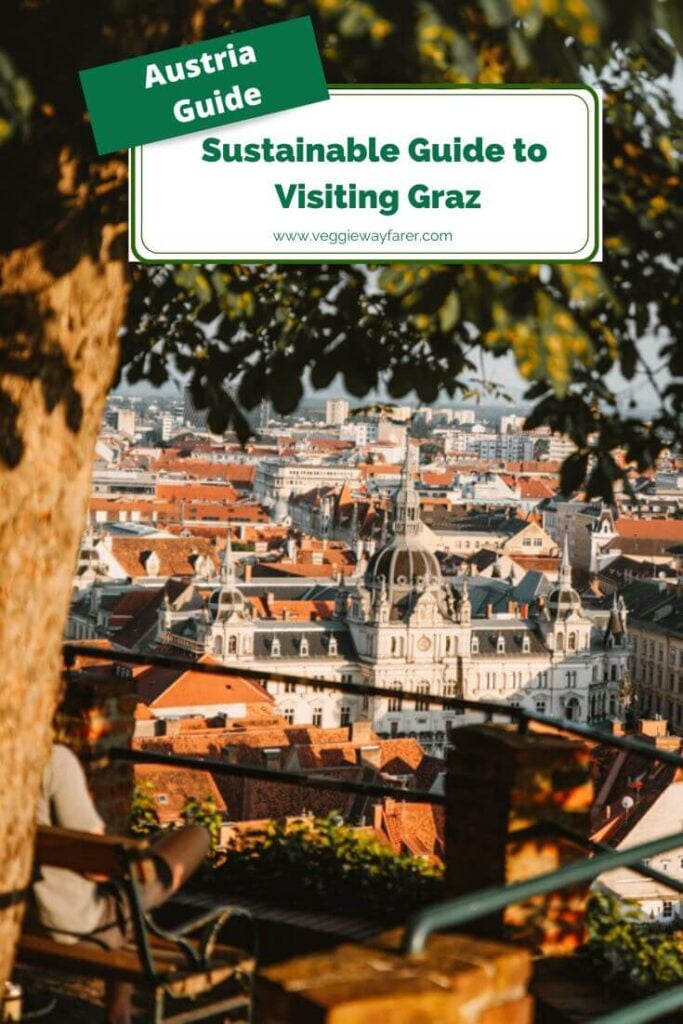
But the second-largest city in Austria is a force to be reckoned with. Those who take the time, paying no heed to the nay-sayers, will find Graz is a beacon of hope, a blueprint, if you will, for how a city should and can be run. It is a result of a strong support of the arts & culture, an impressive approach to diversity and inclusion, and a culturally ingrained healthy respect for our natural environment.
There are plenty of things to do in Graz, including eating your way through the abundant vegetarian & vegan-friendly hotspots, clambering up to see the castle that incurred Napoleon’s wrath, or moseying around the various open-air art installations, preferably with a nicely brewed cup of coffee in hand from a local roastery.
Please note: This post contains affiliate links, meaning I may earn a commission if you make a purchase by clicking a link (at no extra cost to you). Learn more.
Things to Do in Graz: Quick Planning Guide
TOP PICKS FOR ACCOMMODATIONS
- Where we stayed: Mercure Hotel Graz
- Luxury Pick: Schlossberghotel
- Best Location: Aparthotel Lavilo Main Square
- More options: See all hotels in Graz
HIGHLIGHTS OF GRAZ
- Top activity: Sunset atop the Schlossberg
- Favorite museum: Eggenberg Palace
- Coolest Bar: Ginger | Gin & Art
- Optional: Walking tour with a local
USEFUL READING: Sustainable travel in Graz; Plan your walking tour including refill stations for water
TOURISM OFFICE: Tourist Information Graz Region, Herrengasse 16, 8010 Graz, Austria
OFFICIAL TOURISM WEBSITE: Graz Tourismus
MORE ARTICLES ON GRAZ: Discover the off-the-beaten-path locations in Graz // My favorite green spaces in Graz
Is Graz Worth Visiting
I am extremely privileged to be able to wield my pen and camera for work; to travel, explore and experience new places & cultures. Some locations can be summarized in a mere paragraph, while others deserve a full trilogy. Graz is most certainly the latter. Visiting Graz is absolutely worth it.
Personally, I find the true beauty lies not in the cultural or culinary offering, but in its inhabitants. Grazers are extraordinarily hospitable, eager to engage with visitors. A stranger chatting with you outside a bar, inviting you to a picnic with their friends the very next day, a gregarious group of locals sharing their bottle of prosecco with you because “you happened to walk by”.
These are but a few of the beautiful interactions I had throughout my stay. In a world that seems increasingly hostile and adversarial, Graz is an enclave of kindness and authenticity.
Sustainable Guide to Graz: What to See & Do
Historically wedged between Vienna, Maribor, and Trieste, Graz has always been a bit of a crossroads, equal parts Central European order and Southern flair. It’s a cultural melting pot, and you feel that mix everywhere: in the architecture, the food, and, most importantly (to this coffee-obsessed traveller), the cafés. “Espresso!” calls out an elderly man at Mar Grave, where I’m sipping the most delightful pink bubbles—at 9:30 a.m., no less. Graz clearly understands the slow-travel vibe.
This mix of influences is part of why Graz hasn’t one, but two UNESCO titles to its name. One for its historic centre, where Gothic arches, Baroque domes, and Renaissance courtyards fit together like an architectural jigsaw puzzle; and another as a UNESCO City of Design, a title that makes perfect sense as you wander through streets dotted with pop-up galleries, digital art façades, and the occasional mirrored snowman.
Visiting Graz as a conscious traveler is a piece of cake. Restaurants serve seasonal dishes, vegetarian options are aplenty, local souvenirs can be sourced even on the main shopping avenue, and public transport is all electric. So let’s dive in!
1. Level up your knowledge of local history
Whenever I visit a city, my priority is to get a bit of a lay of the land. Usually, this involves booking myself a walking tour with a local guide and/or roaming around the various museums on offer. For Graz, I had the luxury of time and opted for both. If you are planning on visiting multiple museums, check out the 24-hour Joanneum Pass, which costs €12 for adults.
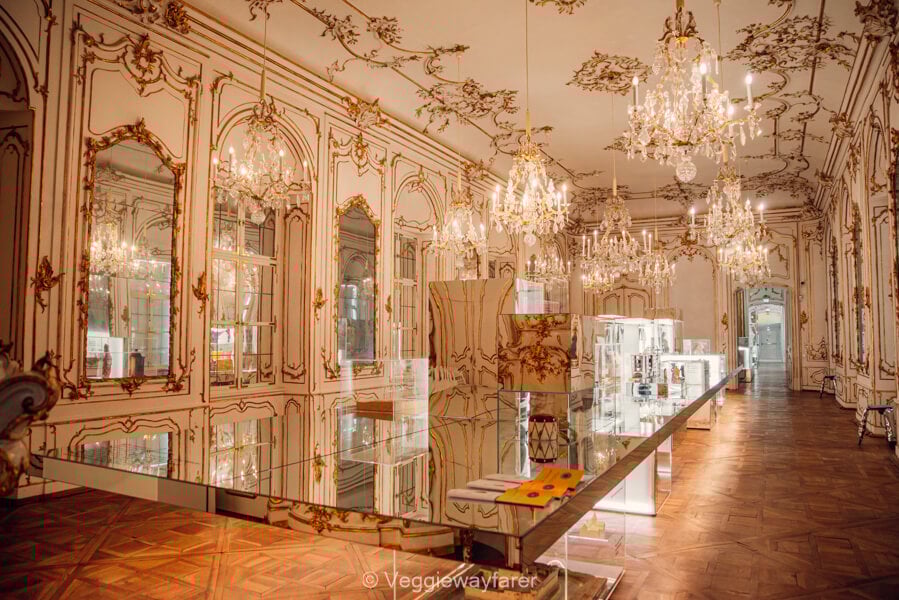
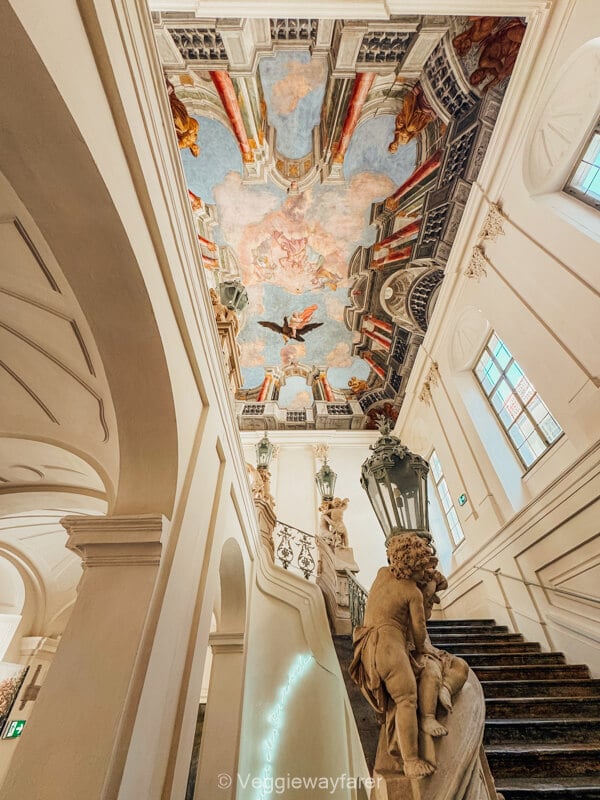
GRAZ MUSEUM | This was by far my favorite museum as it runs you through the history of Graz from 1128 through to today. Located in the Baroque Palais Khuenberg. Not only do you learn about history, but you get to do so in a fabulous setting. What I particularly like is how it does not try to circumvent any of the more difficult parts of 21st-century history, instead focusing on providing context and testimonials. (Tickets: €12)
GRAZ MUSEUM SCHLOSSBERG | This little museum is located atop the Schlossberg and runs through the history of the site. If you are not taking a guided tour of the Schlossberg, I highly recommend popping inside. It offers a glimpse of the castle that once stood here through various maps and paintings. It also has one of the best views over the city! (Tickets: €5)
STYRIAN ARMOURY | The world’s largest historic armour collection. Take a peek at 17th-century defenses under the Habsburg dynasty. I ran out of time and was not able to visit, but it’s on the list for next visit! (Tickets: €12)
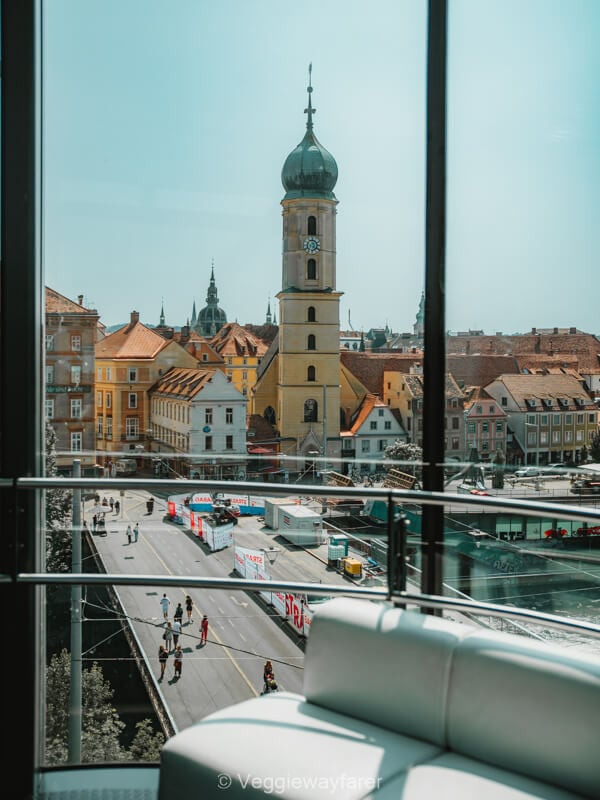
KUNSTHAUS GRAZ | If you have time for but one modern art museum, let it be this one. The ground-floor houses a small gift shop with locally sourced trinkets and the Kunstcafé, the top floor has a covered rooftop called “the finger” offering views over the Mur river. In between, you will find two floors filled with temporary art exhibitions. (Tickets: €12)
CITYTOUR| If you want to learn more about the city, consider investing in a walking tour with a local. I was lucky enough to do not one, but two, and learned a ton about history, culture, and even got recommendations on where to have a bite to eat.
2. Grab a bite to eat at one of the farmers’ markets
OPENING HOURS | Monday to Saturday 06.00 am to 01.00 PM
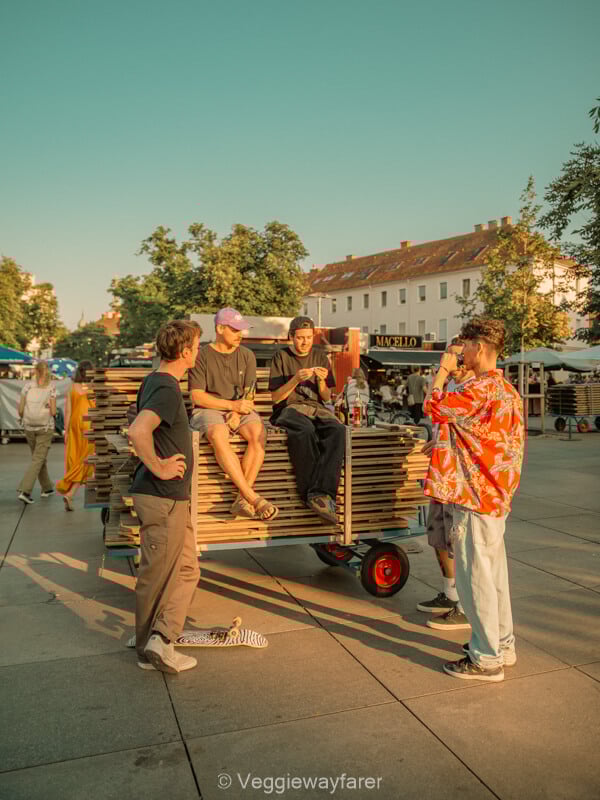
The farmers’ markets are a must-visit in Graz! Local growers from the surrounding countryside gather each morning at Lendplatz and Kaiser-Josef-Platz to sell everything from heirloom vegetables and herbs to homemade jams and crusty loaves of bread. Refreshingly, prices are on par with the supermarket, making fresh, local food accessible to all.
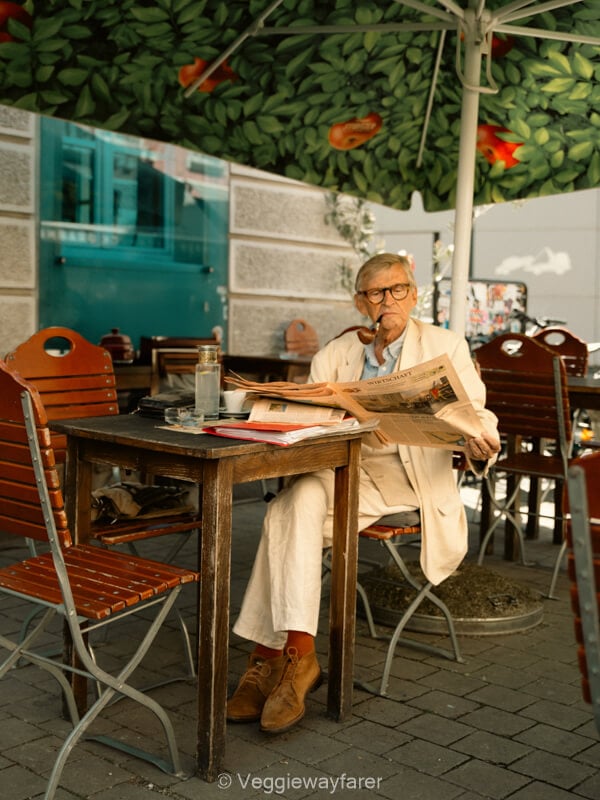
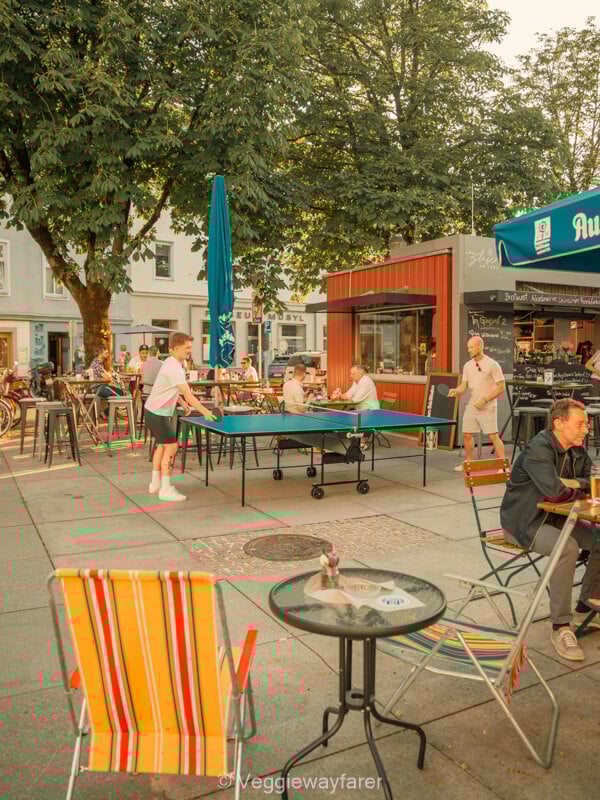
My hotel was located just off the Lendplatz Market, meaning I traipsed through the square at various times throughout the day. It became abundantly clear from the get-go that the Lendplatz Market is about more than merely trading goods. Little eateries spill out onto the square, serving dishes made with the market’s bounty. It’s fresh, seasonal, and positively jam-packed with locals, young and old. The perfect spot for a bit of people watching!
Fridays and Saturdays are the ones to aim for: the market doubles in size and the whole square comes alive. On sunny days, the terraces are buzzing from morning until late. If time allows, I’d recommend grabbing lunch at Kaiser-Josef-Platz and heading for dinner at Lendplatz. The latter is also the perfect springboard into Graz’s relaxed nightlife: start with a local beer and a game at the iconic Brot & Spiele, or head across the street to Ginger, a stylish bar known for its homemade gin and creative cocktails.
3. Sunset atop Schlossberg
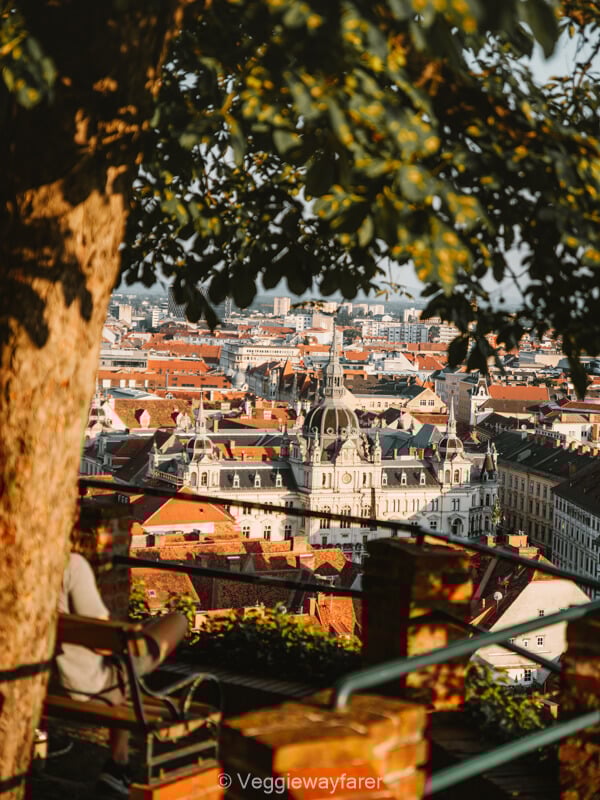
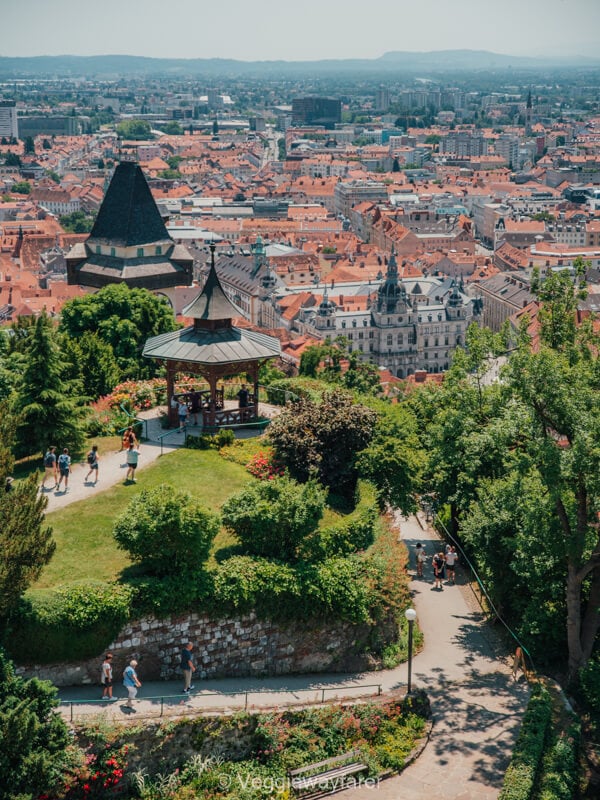
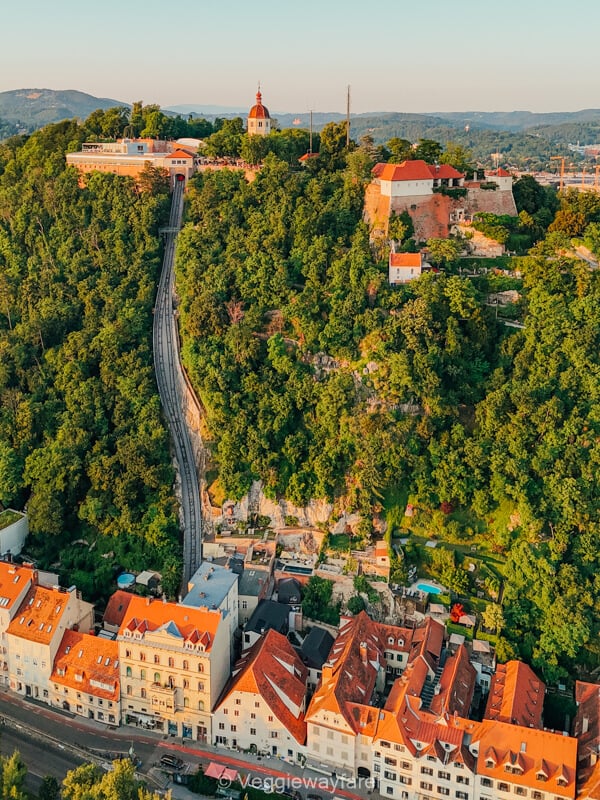
The Schlossberg was once home to a mighty fortress, first mentioned in the 10th century and steadily expanded over the centuries. Perched high above the city, it guarded Graz for nearly 900 years. Even Napoleon couldn’t conquer it, despite boasting he could take it in half a day. So instead, in a glorious act of bruised ego, he had it dismantled stone by stone in 1809.
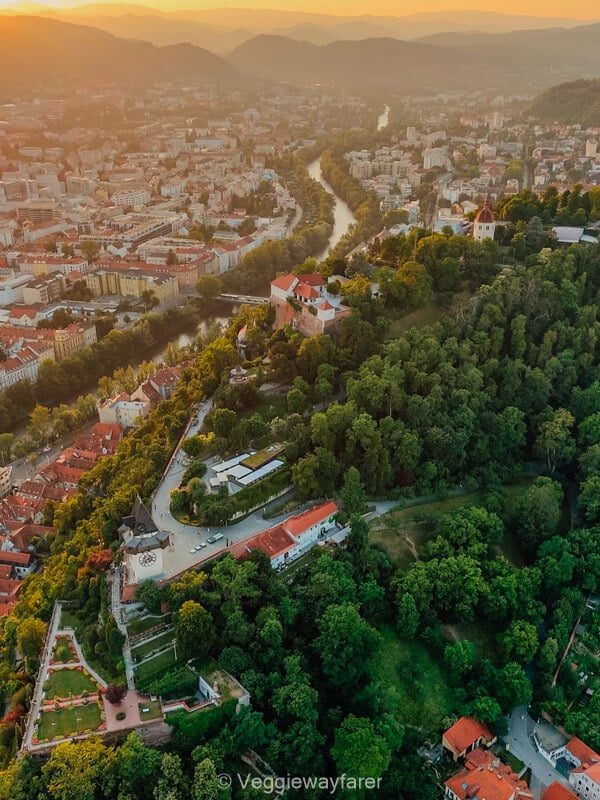
Locals refused to let it all vanish: they scraped together enough money to save the Clock Tower and Bell Tower, both of which still stand today. If, like yours truly, you are directionally challenged, the clock tower might just prove to be your saving grace while visiting Graz. It can be seen from almost everywhere in the city!
The hilltop was later transformed into a public park. Fun fact: Many of the trees on this hill were planted in the 1830s and came from all over Austria. Expect to see an eclectic mix of ginkgo, magnolia, cedar, chestnut, plane trees, and ancient beeches. Aside from the trees, the hilltop is home to the aforementioned towers and the Graz Museum Schlossberg. (€5 entry fee).
How to head up to the Schlossberg
OPTON ONE: Ride the Schlossberglift, a glass elevator powered by renewable energy, that runs through the rock itself. Costs €2,40 each way. The tune that accompanies you whizzing up to the top is swapped out yearly. Since 2020, the city commissions renowned artists to compose a new audio-immersive experience.
OPTION TWO: Glide up on the electric funicular, running on 100% green energy. This little contraption is the steepest in all of Austria, with a staggering 61% incline. It runs until midnight on week nights and 02.00 am on Friday and Saturday. Make sure to grab a seat at the back (if you are heading up) as it offers some spectacular views.
OPTION THREE: Run Forest Run! In my case, it was more of a slow waddle up the 260 steps, but if you are in slightly better shape, you could see if you can race up, a favorite pastime amongst some locals, I was told. The stairs take you through a few little verdant paths lined with benches overlooking the city. These are the very best spots to catch a nice shot of the city around sunset.
BOOK A TOUR | I had a private tour of the Schlossberg, which included stepping inside the Clock Tower and the Bell Tower, both of which are normally closed to the public.
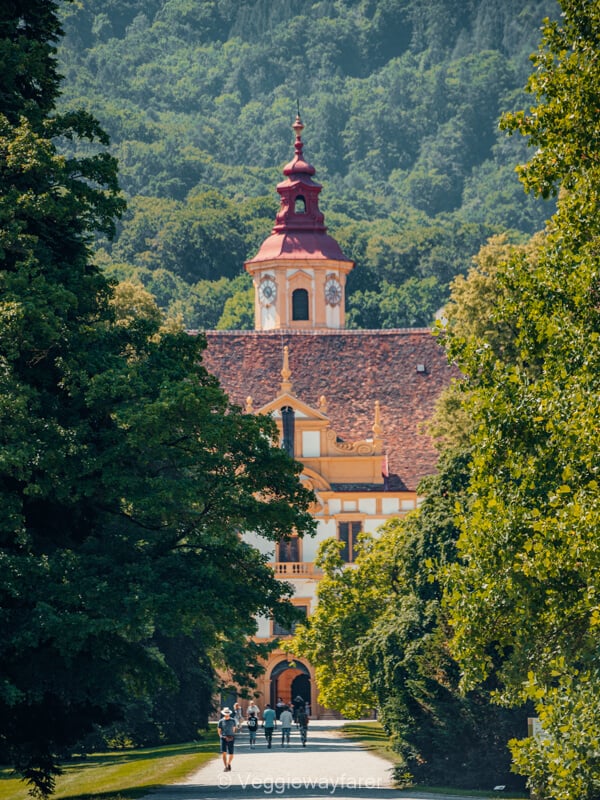
4. Take a peek at how the wealthy lived in the Eggenberg Palace
ENTRANCE FEE PALACE + GARDENS| €15 // OPENINGHOURS PALACE: Tuesday to Sunday 10.00 am to 06.00 pm
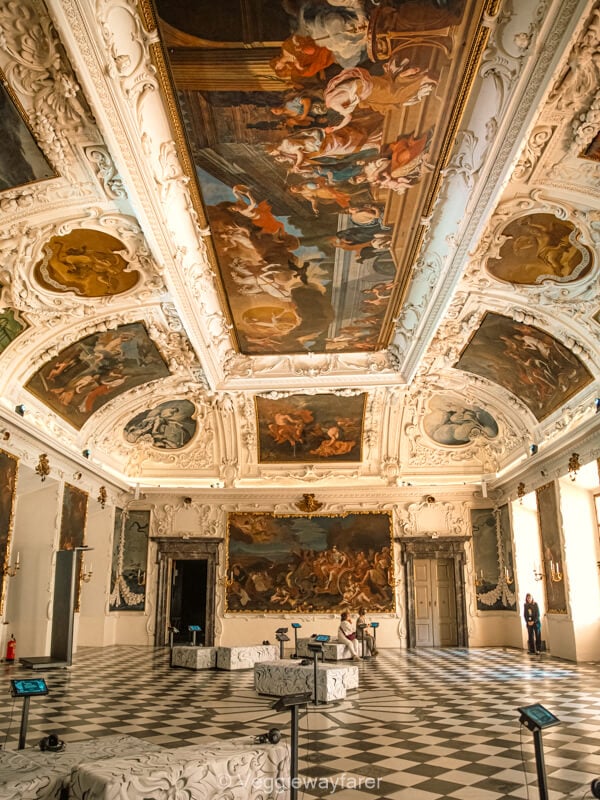
There are few things in this world that bring me as much joy as traipsing through castles. It goes without saying that when I was planning my trip to Graz, a visit to the Eggenberg Palace was at the top of the list of activities.
The name Eggenberg might ring a bell. From humble beginnings as merchants, the family rose to become powerful statesmen under Emperor Ferdinand II, shaping the city’s fortunes for more than two centuries. Their dynasty came to an abrupt end in 1717, when the last male heir, just thirteen, died of a sudden bout of appendicitis.
Their former home, however, remains anything but forgotten. Now a UNESCO World Heritage Site, Eggenberg Palace is one of the most unique Baroque estates in Austria. Its design is nothing short of spectacular: 365 windows, 24 state rooms, 52 doors, 31 rooms on the main floor, and a celestial Planetary Room—all laid out to mirror the order of the cosmos.
I decided to walk the 45 minutes from the city centre, which was a good way to stretch my legs, but not the most scenic route. If you’re short on time (or energy), hop on a tram or bus from Jakominiplatz to Eggenberger Allee. This gives you an extra 20 minutes to enjoy a cup of locally roasted coffee or a glass of regional wine in Café Pavillon inside the palace gardens.
5. Visit the St. Andrä church: When art & religion marry and create a beautiful baby
OPENING HOURS | Monday to Saturday 08.00 am – 06.00 pm
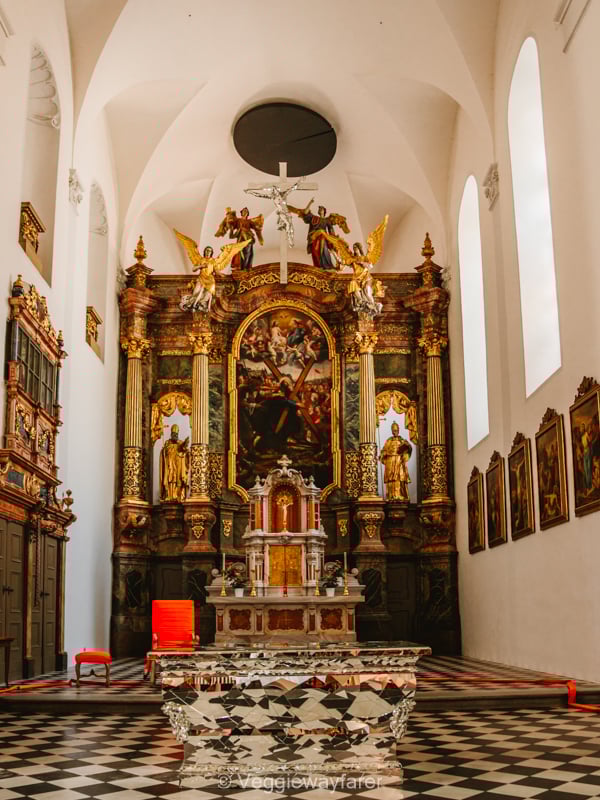
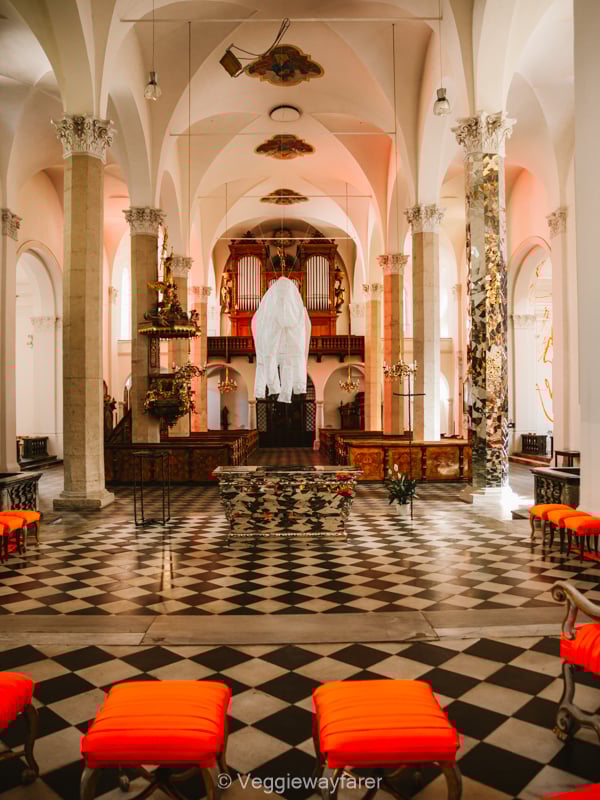
I never imagined one of the most unforgettable landmarks in Graz would be… a church. But St Andrä isn’t just any church. In a world where religion often divides, this church draws people from all walks of life together. Offering German mass, a Nigerian English service, and even a Spanish mass.
Originally built by Dominican friars in the 17th century, it was given a splash of Baroque enhancements in the 18th century and a subtle Neo-Renaissance nip and tuck in the 19th century. But it was in 1999 that the church truly stepped into the unexpected. That year marked the beginning of Andrä Kunst, an ongoing experiment in sacred contemporary art. Step inside and you will find a mirror-tiled altar, street art in the side chapel, and even a paper elephant dangling from the ceiling.
For me, St. Andrä sums up everything Graz does so well: it’s open, creative, and deeply rooted in community. Tucked away in the Gries district, it is an easy walk from the historical centre.
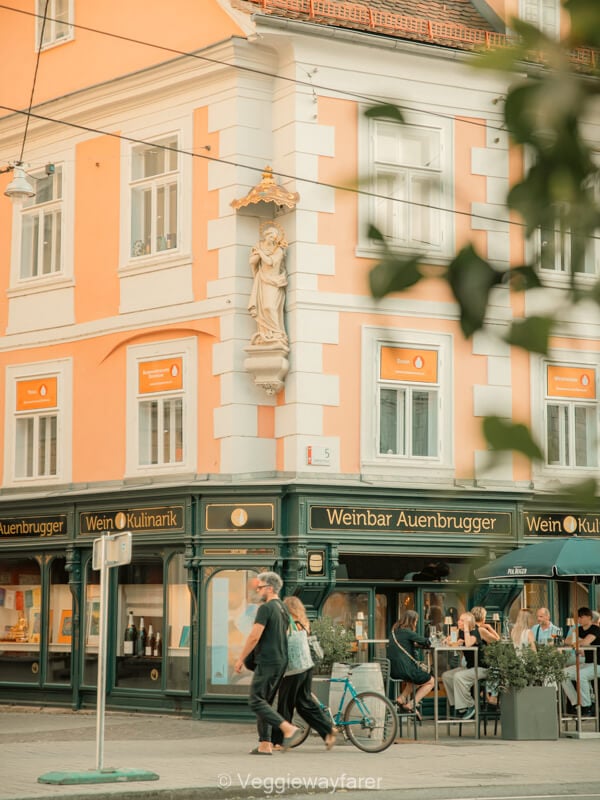
6. Take a tour of the former red light district
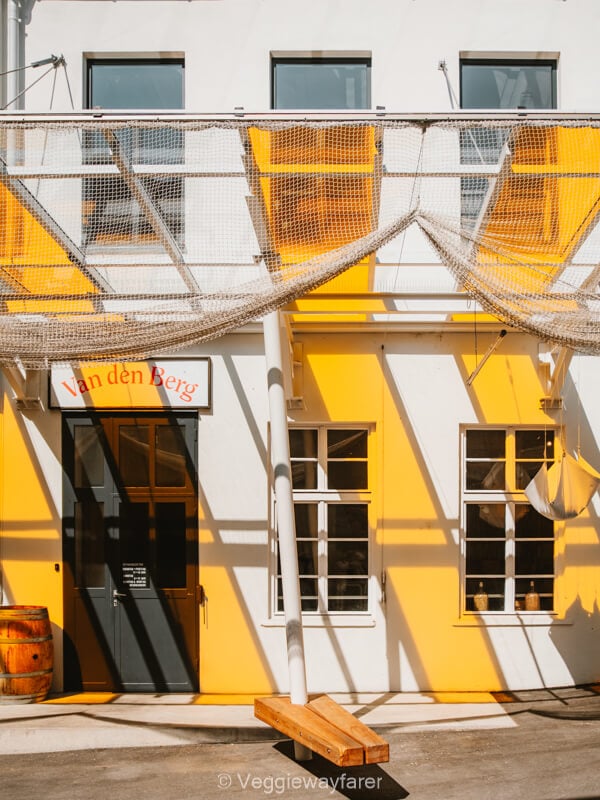
It is a tale as old as time. There once was a wealthy ruler who built walls around his city to keep themselves and their subjects safe (current day Altstadt). The really smart rulers ensured there was a body of water surrounding the walls on one side and a mountain with a castle perched atop for security.
The opposite side of the Mur river, current-day Lend and Gries neighborhoods, was developed to support the growing city’s trade, river traffic, and working-class population. Home to raft workers, artisans, low-income settlers, and travelers during the Habsburg era. Graz sat at a crossroads between Vienna, Maribor, and Trieste.
Prostitution has long been legal and regulated in Austria, dating back to the Habsburg era, with health checks and licensing in place by the late 19th century. The city’s nighttime economy flourished in Lend and Gries, where merchants and travelers found affordable accommodation.
Fast forward to the 1980s, and these two districts slowly started gentrifying. Transforming into creative neighborhoods filled with cafés, galleries (Kunsthaus being the principal one,) and little stores selling locally made trinkets. My local guide mentioned housing prices have since soared, and Lend has fast become one of the most sought-after locations to live. It’s not hard to see why, it’s hip, safe, and within walking distance from the city centre and the train station.
CITYTOUR| If you want to learn more about the city, consider investing in a walking tour with a local. I was lucky enough to do not one, but two, and learned a ton about history, culture, and even got recommendations on where to have a bite to eat.
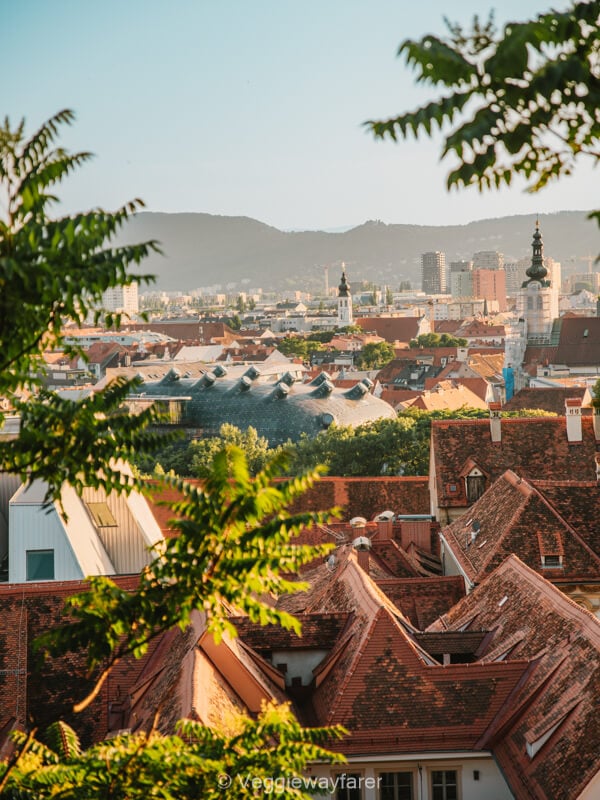
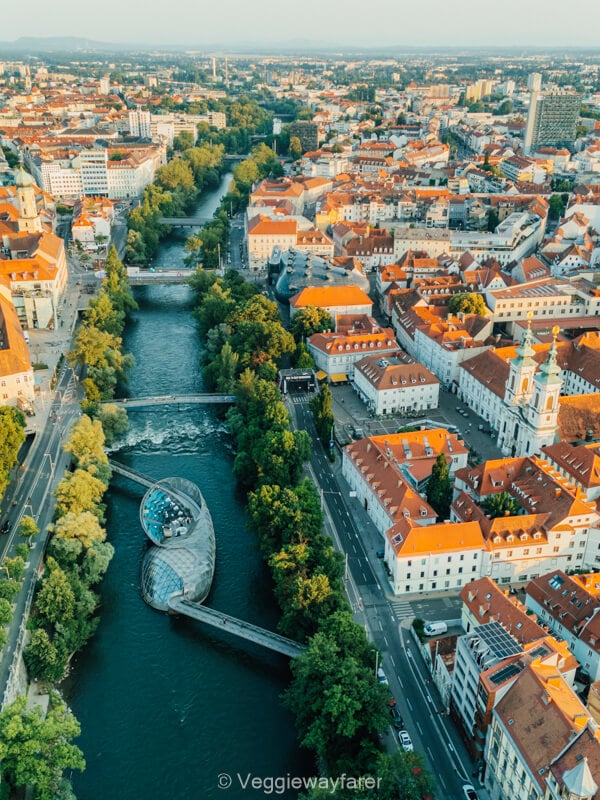
7. Take in all the modern art the city has to offer
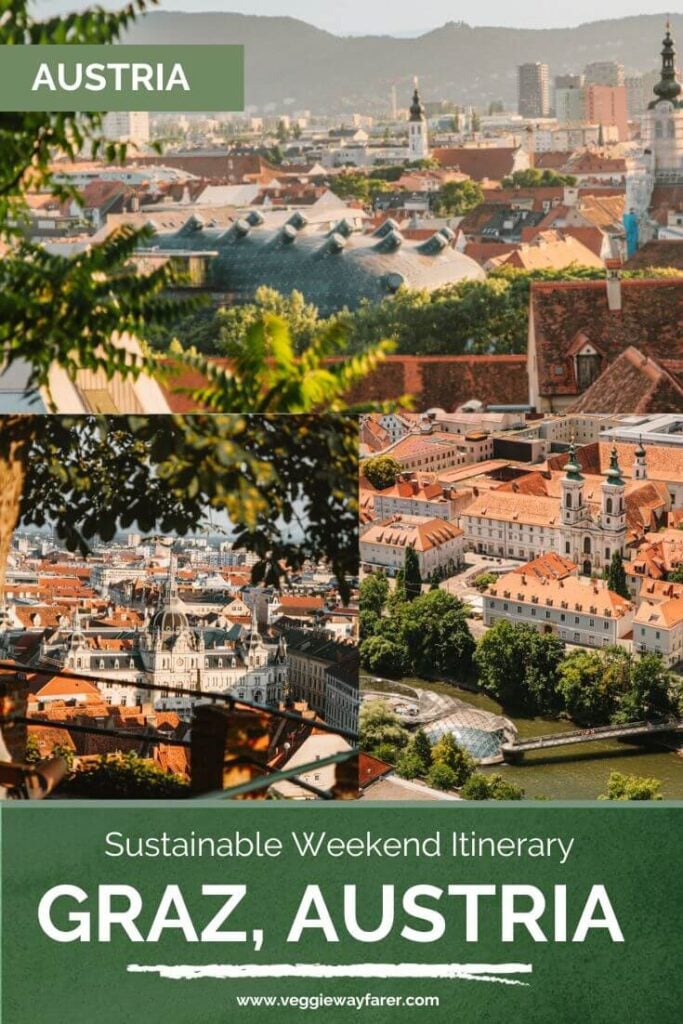
Graz, at heart, is an old lady. She has the arches, the terracotta rooftops, and plenty of Renaissance architecture to prove it. But she’s also the kind of old lady who wears statement jewellery, knows how to pull off a leather jacket, and doesn’t mind turning heads. In fact, she has accolades to prove how well she pulls it off: She was the 2003 European Capital of Culture and, since 2011, a UNESCO city of design.
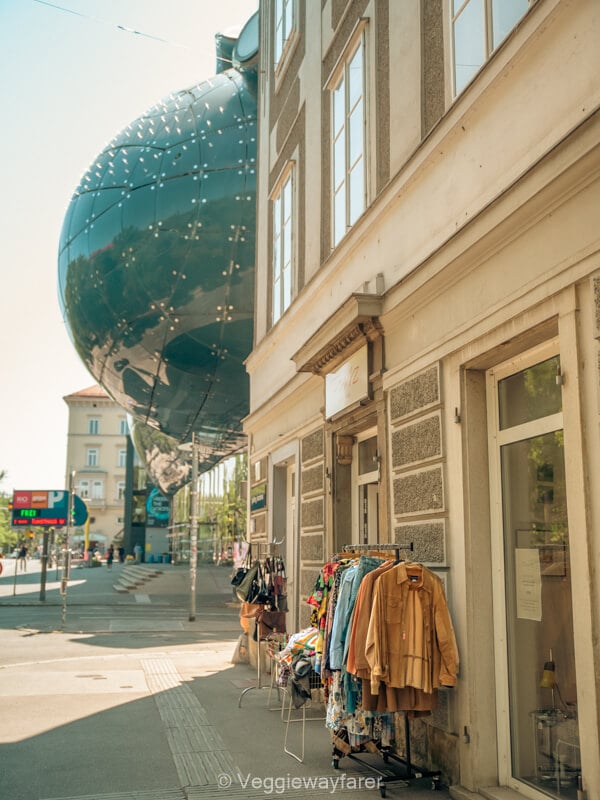
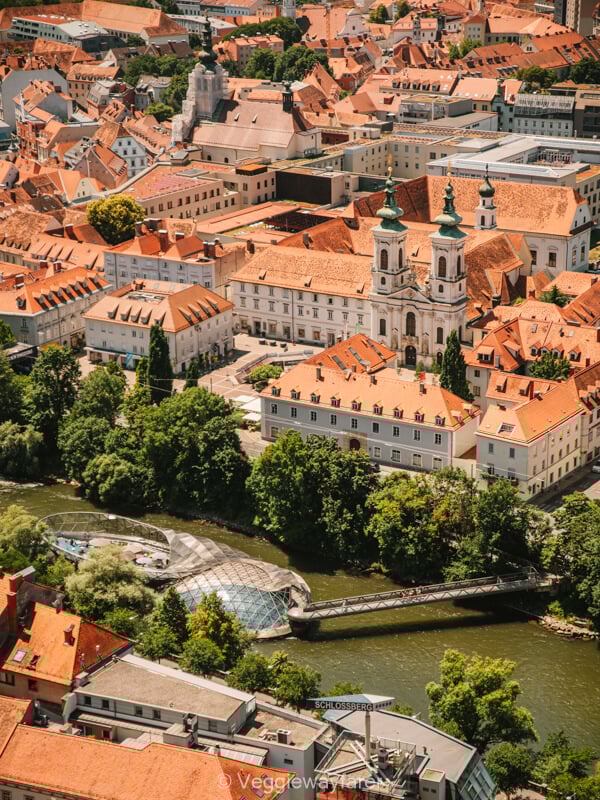
With the 2003 naming of Capital of Culture came the Kunsthaus, a glossy blue building with contemporary art installations, a very cool (veggie-friendly) cafe, and a covered rooftop with nice views over the Mur river. Locals call it the Friendly Alien—complete with a veggie-friendly cafe and a rooftop terrace that offers sweeping views over the Mur. Next came Murinsel, a shell-like design smack in the middle of the river, with an art space and, you guessed it, a veggie-friendly cafe!
But modern art here isn’t confined to flashy landmarks. Smaller artistic adornments, such as a contemplative snowman gazing into a puddle, a mirror altar in a church, and a never-ending stream of pop-up art galleries, attest to the innovative and creative mindset that sets this old lady apart from her contemporaries. It is this exact spirit that makes Graz worth visiting!
TIP | If design is your jam, be sure to catch the Design Month held annually in May. A multi-week celebration celebrating the creativity of local and international artists. Think installations, workshops, and plenty of fun activities in the streets.
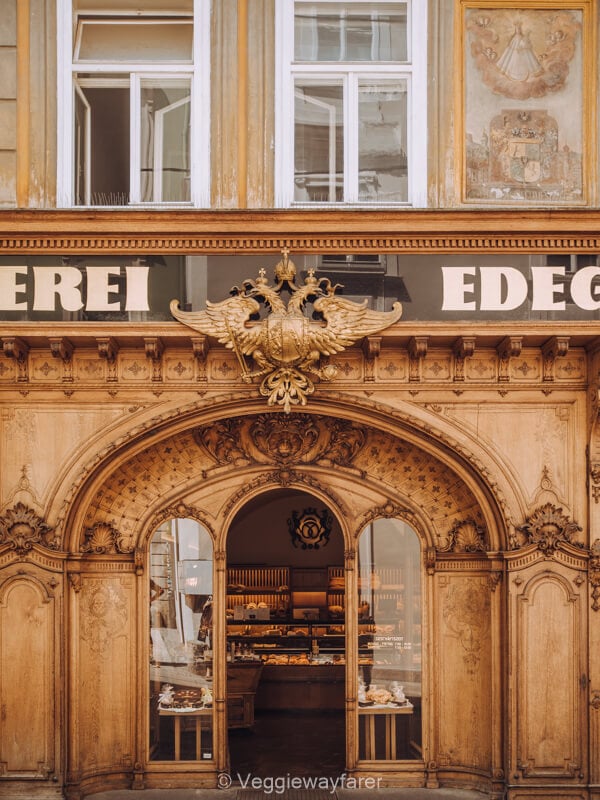
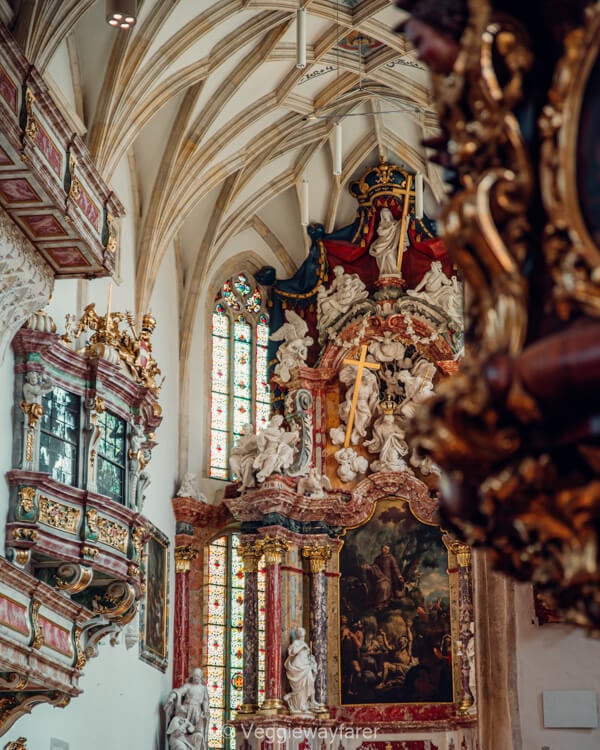
8. Learn why the historical centre is a UNESCO World Heritage
Graz holds a double UNESCO listing: One for design and the other for its historical centre. I did say she was a classy old lady! Earning herself the badge in 1999 for three very specific reasons. First off, the stately mix of medieval, Renaissance, and Baroque architecture. Next is the fact that the Old Town is not just a monument (like, for example, Bruges) but remains very much alive and kicking. And finally is the interesting mix of Germanic, Slavic, and Mediterranean culture that is reflected in the urban design of the city.
Now, what does that mean practically? A highly walkable and vibrant old town with a plethora of picture-perfect squares and locations to visit. The most well-known landmarks include the Graz Cathedral, the magnificent Mausoleum of Emperor Ferdinand II, the most beautiful Renaissance courtyard in Austria, the Landhaus, the famous double spiral staircase, and the Glockenspielplatz.
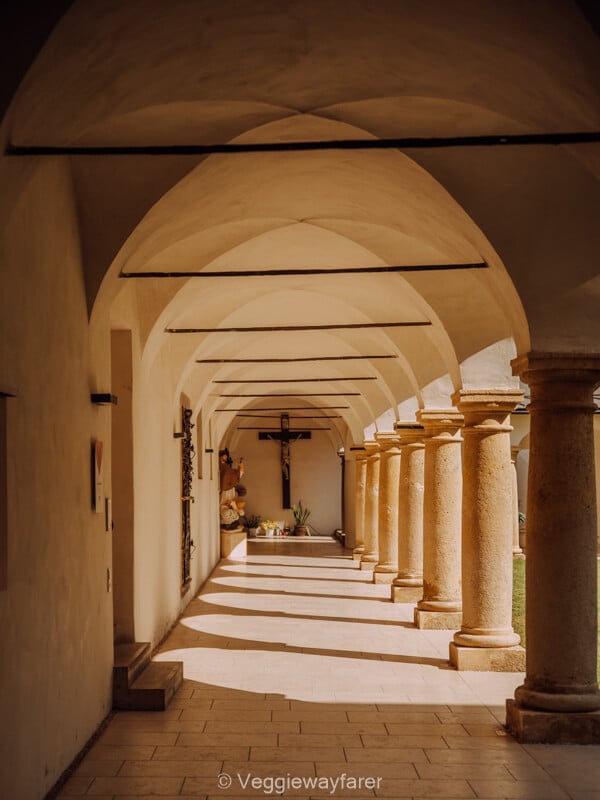
Lesser known, yet equally charming, is the Franziskanerviertel, where you can stop for a delicious lunch at Francis and then pop next door for a coffee at Coffee Ride. The Franciscan Church on the square is equally worthy of a visit as is the small inner courtyard hidden next to the church.
FOODIE TIPS | If a view is what you are after, stop by Ristorante Paradiso or Freiblick Tagescafé. When the need for caffeine hits, make your way to Café Köning and their charming little terrace out back, and once cocktail hour is upon you, move over to Katze Katze.
9. Go shopping for sustainable souvenirs
If there is one tip I can give you when planning a trip to Graz: Come with empty luggage! Rarely have I seen a city that has such a good selection of vintage stores, independent shops selling local brands, and social concept stores championing inclusive employment. Here are a few of my favorite finds.
TAG.WERK | A socially conscious design studio selling handmade bags, backpacks, wallets, and accessories made out of leftover fabrics. It is part of the Caritas Steirmark youth employment initiative, supporting socially disadvantaged youth.
KWIRL DESIGN GRAZ | Down the road from the Kunsthaus, this store sells beautiful trinkets by various sustainable brands, both local and foreign. Carefully curated by the sweet owner Iris, who calls herself a collector of stories. Her store is a wonderful reflection of her warm personality and excellent sense of design.
HERZLICH LADEN | In the shadow of the Mariahilferkirche lies a social enterprise run by Jugend am werk. They offer a mix of handmade items crafted by individuals who often face barriers to employment.
LAMPEN REINBERGER | I stumbled upon this lampstore quite by accident and was promptly invited in for a lovely chat by owner Wolgang Reinberger. This little store restores and sells the most beautiful original Jugendstil lamps. As demand is high and the offering scarce, prices are upmarket (north of €1000). If you are in the market for a unique piece, this is definitely worth a stop.
10. Rent a bike and cycle along the river Mur
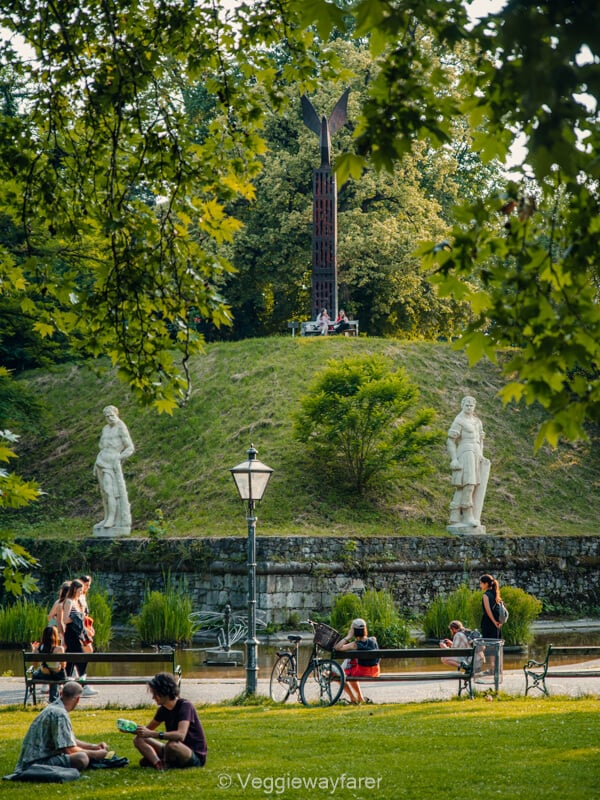
In full transparency, I ran out of time and was not able to cycle around. What I did, however, see was solid cycling infrastructure and a lot of locals cruising around on two wheels. So next time I visit Graz, the first thing I will do is rent a bicycle to explore greater Graz. A quick Google reveals the Mur cycle path M2 to be the path to follow.
If you are an avid cyclist and want a bit of a challenge, look into the Tour de Mur. This 333 km route takes place annually on the third weekend of June. Looking for something a bit more leisurely, take a peek at the Graz Tourism Website for practical information.
Where to Stay in Graz
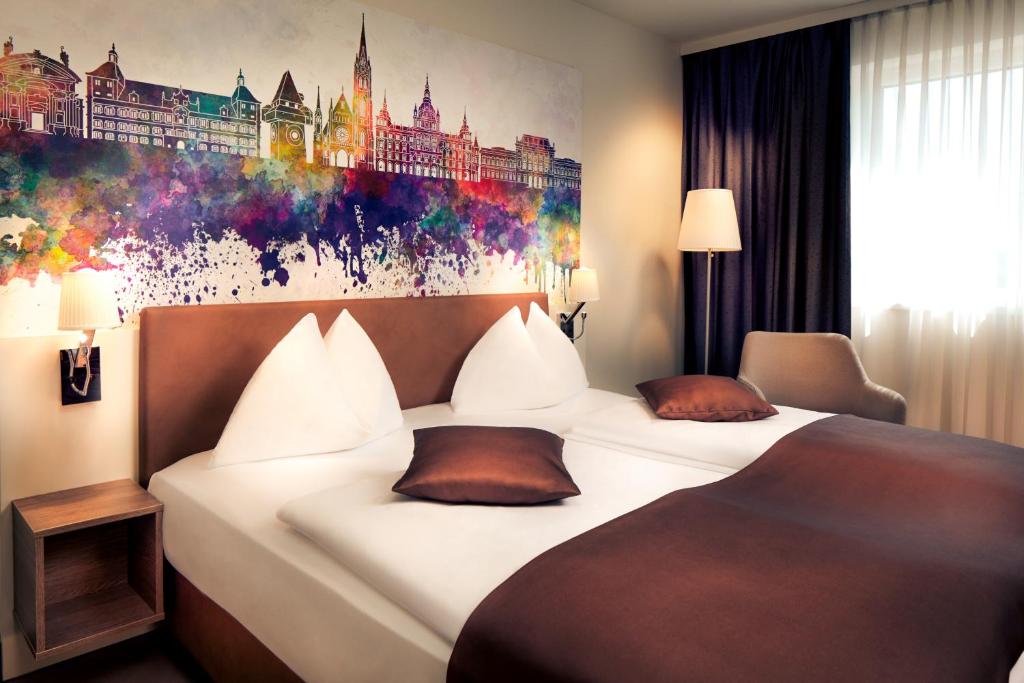
WHERE I STAYED: MERCURE HOTEL GRAZ CITY
Perfect location just off the Lendplatz. Within walking distance of both the train station and the historical centre. Beds were comfortable, staff were very friendly, and the breakfast spread was well worth getting up early for.
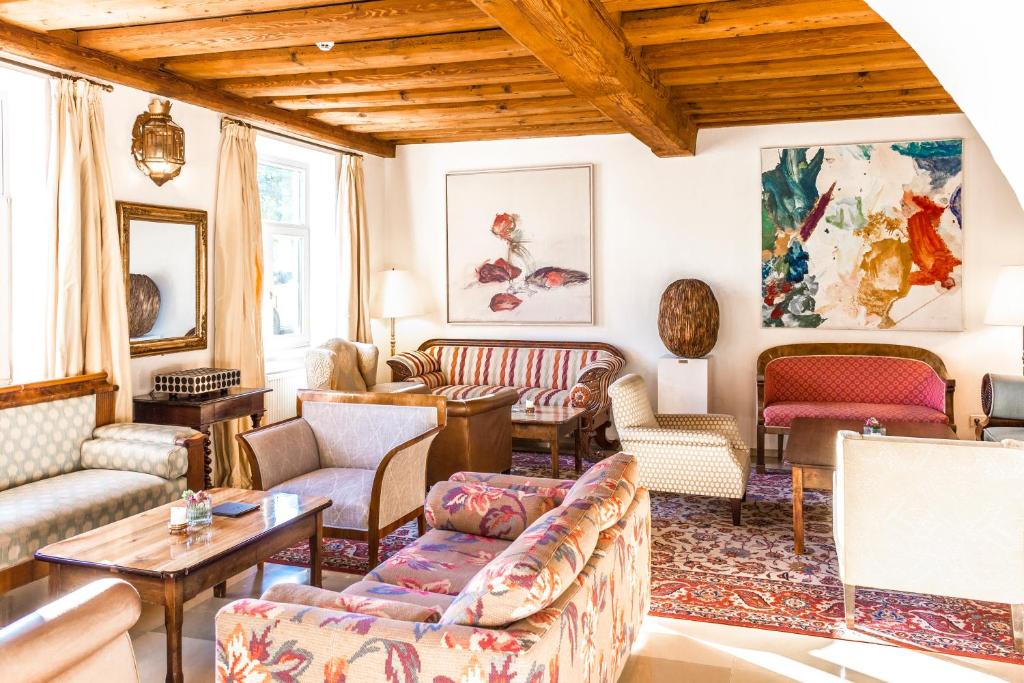
LUXURY PICK: SCHLOSSBERGHOTEL
A unique stay in a historic building filled with contemporary art, featuring elegant rooms, a rooftop pool, and stunning city views. Its central location near Graz’s old town and exceptional service make it a top choice for visitors.
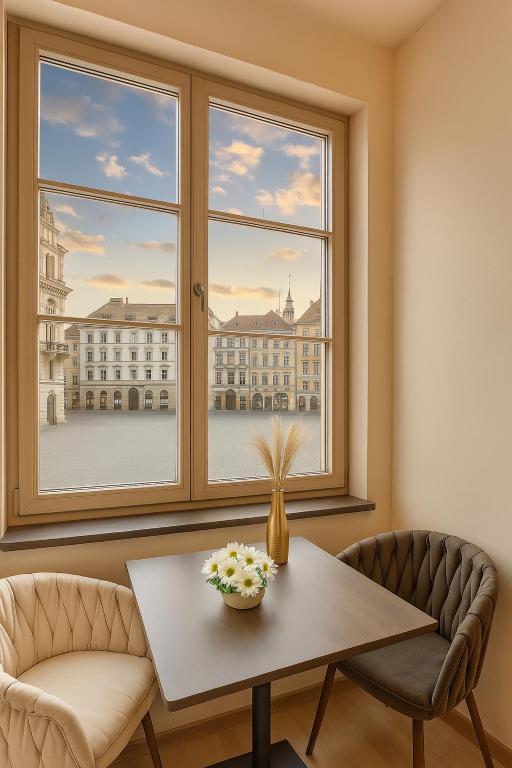
BEST LOCATION: APARTHOTEL LAVILO MAIN SQUARE
Tucked away in a quiet corner just minutes from Graz’s buzzing center, Aparthotel Lavilo offers offering beautifully designed, spacious apartments that feel like a home away from home. With ultra-friendly hosts, spotless interiors, and easy tram access right outside the door, it’s the perfect base for slow, exploration of the city.
How to Visit Graz More Sustainably
FILL THAT WATERBOTTLE: Water from the tap is drinkable, and what’s more, the city is dotted with 120 spots to refill your water bottle. Keep an eye out for the Refill Austria sticker on the door of shops, cafes, and bars. These establishments will fill your water bottle for you. Or, alternatively, do so at one of the many water fountains.
CYCLING IN AND AROUND GRAZ: Graz is a very bicycle-friendly city, with the local authorities set on making Graz the “Bicycle Capital of Austria”; you can expect an extensive network of well-maintained cycling paths.
SUSTAINABILITY FESTIVAL: If there is one thing Graz knows how to do, it is to set up a festival. Check out the Geco Festival held yearly in June.
SUPPORT COMMUNITY LED PROJECTS: There are plenty of community-led little stores you can purchase souvenirs from, including TAG.WERK and Herzlich Laden.
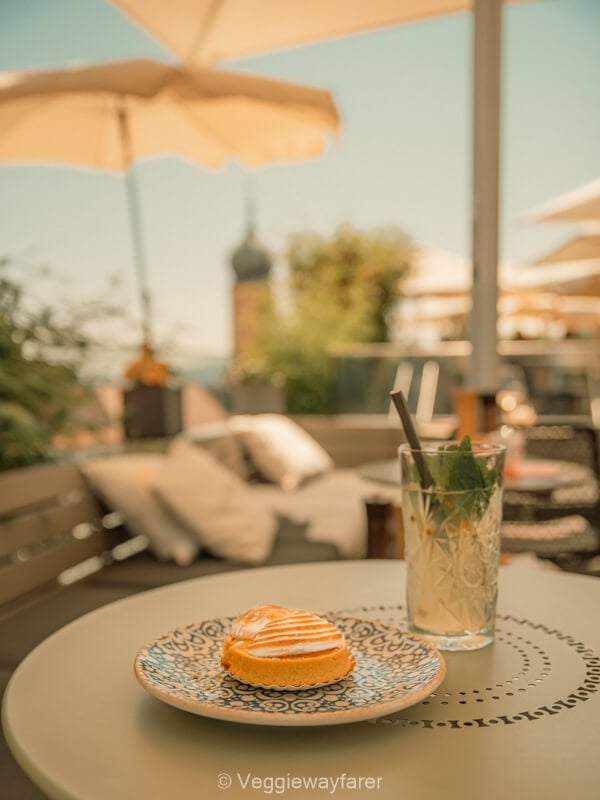
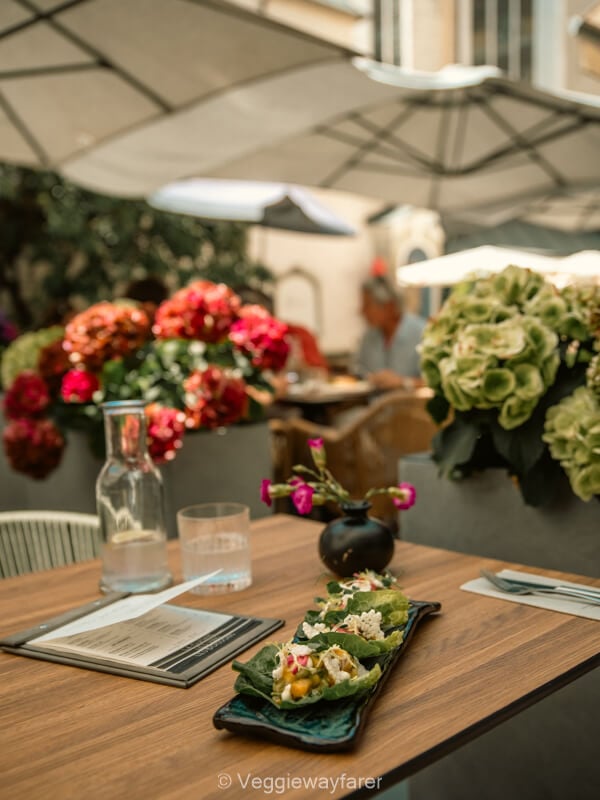
Vegetarian Restaurants in Graz
Word of caution to the vegans and vegetarians heading to the city: Pack your stretchy pants, because mouthwatering plant-based options are a staple on just about every menu. Graz is the culinary capital of Austria, and you are about to find out just how deserving it is of this title.
Seasonality is not just a whim; it is part and parcel of the local culinary offering. Most restaurants will adapt their menu based on the season. Do not expect to find the same avocado toast, mango poké bowl, acai bowl type of vegetarian fare that is traditionally associated with plant-based restaurants.
LEND MARKET: Part and parcel of any Graz Itinerary should be a visit to one of the two main farmers’ markets dotted around the city. I went to the one on the Lend side, just next to my hotel. Here you will find a clustering of stalls as well as various little eateries around. Menus tend to change daily as many of the eateries use seasonal produce straight from the market stalls.
DIE EISPERLE: Creamy plant-based ice cream like you never had before. Voted Austria’s best vegan ice cream, their seasonal flavors (Mar–Nov) draw consistent praise for taste, quality, and friendly service
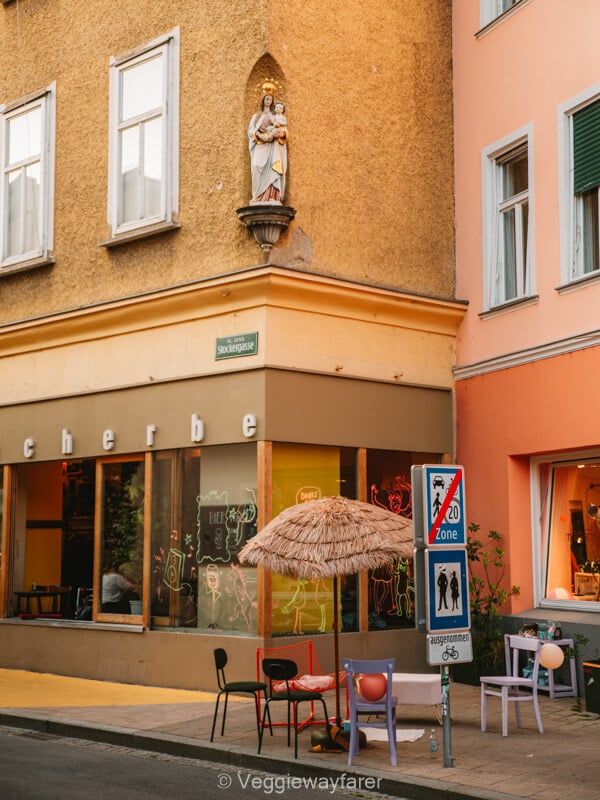
DIE SCHERBE: A beloved Lendviertel institution. Think nostalgic café-bar vibes with a quiet garden to relax in. Menu uses seasonal produce and serves brunch, lunch, and dinner.
HUMMEL: Fingerlicking Leventanine cuisine with a zero-waste ethic. Slightly more upscale than the other vegetarian restaurants on the list, but worth every penny. Make sure to book in advance, as it is a popular spot among the locals.
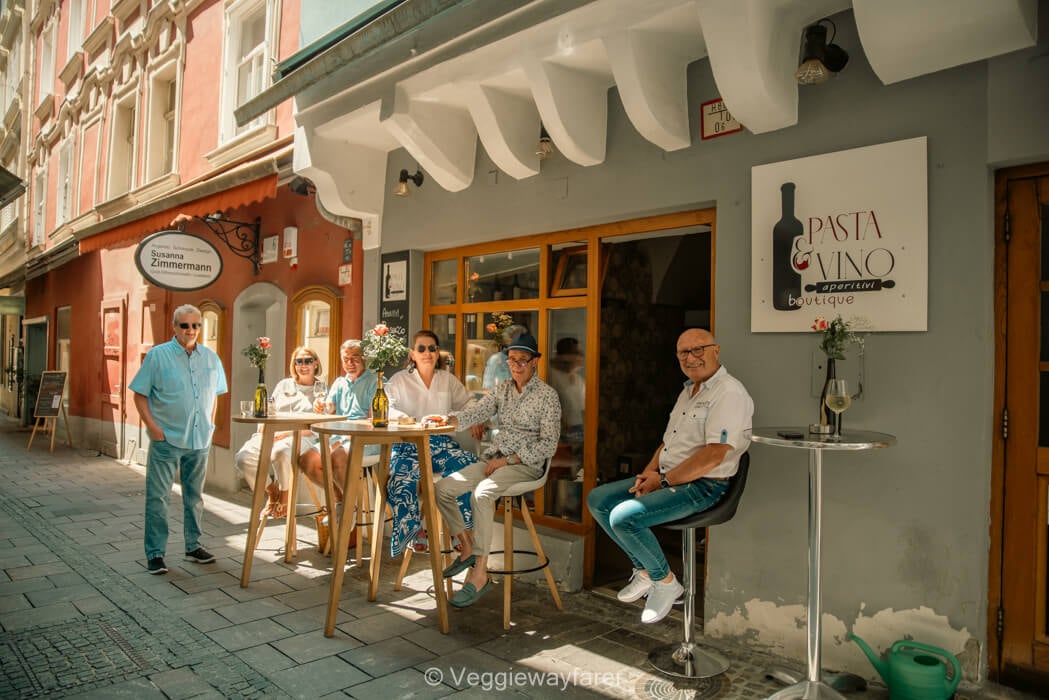
KUNSTHAUSCAFE: Located inside Graz’s iconic contemporary art museum, this chic café offers breakfast, brunch, burgers, great coffee, and evening cocktails.
CAFE ERDE: This little vegan cafe has been around since 2012 and continues to be a local favorite. Super relaxed vibe, affordable dishes made with seasonal ingredients.
CAFE GREENHOUSE: A family-run plant-filled vegan café nestled on Herrengasse. They have the most delicious selection of fresh sandwiches, cold-pressed juices, smoothies, house-baked cakes, and salads.
CAFE KONING: If you are looking for a quintessential Viennese style café and kuchen (Coffee and Cake) stop. Look no further! Has a lovely shaded terrace at the back
FREIBLICK TAGESCAFE: Nestled atop the iconic Kastner & Öhler department store. This café, eatery gives you the very best view over the city, in my opinion. On a sunny day, it is jam-packed. Caters to both vegetarians and vegans.

How Many Days in Graz
If you are coming to visit Graz, you might as well do it well. Spend at least three days and two nights. This will give you ample time to visit a smattering of museums and the main sights, but will also allow for a night on the town ( a true cultural experience), hunt down vintage treasures (the best kind), and indulge in the age-old art of people watching (exquisite).

MORE TRAVEL RESOURCES FOR VISITING EUROPE
Austria: Visiting Ischgl in Summer
Austria: What to do in Vorarlberg: The perfect spot for a digital detox
Belgium: 3 to 5 day Belgium itinerary
Belgium: 16 Castles you can actually stay in Belgium
Brussels: Local guide on which areas to stay, and which ones to avoid!
Brussels: Two-day itinerary for the perfect weekend in Brussels
Antwerp: How to spend a weekend in Antwerp
Liège: 10 Reasons why you should visit Liège
Further afield: Visiting Vianden Castle in Luxembourg
Things to do in Graz – Pin it

RELATED POSTS
 Off the Beaten Path in Graz (With Training Wheels): How an Audio Guide Helped Me Venture beyond the Old Town
 A City Break for Nature Lovers: Exploring Green Spaces in Graz
 What to Do in Vorarlberg: A Slow Travel Guide to Austria’s Quietest Corner
 2 Day Brussels Itinerary: How to Spend an Unforgettable Weekend in Brussels



0 Comments